The conflict over the status of the former British Southern Cameroons has remained one of the most contentious political and legal questions in Cameroon. What began as growing dissatisfaction among English-speaking Cameroonians has evolved into a prolonged conflict, with restorationist groups demanding independence for what they call Ambazonia.
At the centre of the debate are questions about the 1961 UN-organised plebiscite, the subsequent union between Southern Cameroons and the Republic of Cameroon, the nature of that union, and whether the federal arrangement that followed was later unlawfully dismantled.
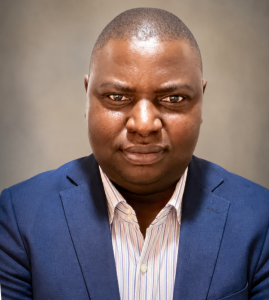
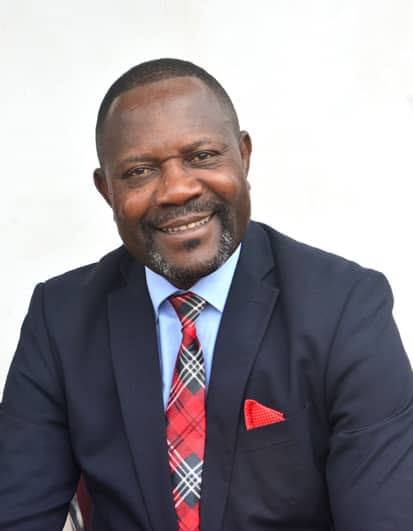
Etạ spoke with Barrister Fru, a lawyer representing the Ambazonia position.
01 | The Legal Foundation
From your legal perspective, what is the strongest legal basis for the Ambazonia/restorationist claim regarding the status of the former British Southern Cameroons?
Answer:The legal pillar and foundation of the Ambazonian claim to self-determination is rooted in Article 1(2) of the UN Charter. The core principle of this seminal provision is self-determination—granting peoples, including and especially Southern Cameroons, the free choice to decide their own political status and form of government.
It does not get clearer than this. When you put this legal pillar against the grassroots resilience and resistance that the People of Southern Cameroons have put on display since 2016—from internal displacement, through refugee status in foreign lands, life imprisonment, extrajudicial killings, rape, murder and razing of villages by an annexationist Yaoundé regime—this sacrosanct quest becomes existential and must be respected as a matter of law, morality and humanity.
02 | The 1961 Plebiscite & Union
How does international law view the 1961 plebiscite and the subsequent union between Southern Cameroons and the Republic of Cameroon, particularly regarding self-determination and the alleged failure to preserve the agreed federal structure?
Answer: International law views the 1961 plebiscite as skewed, manipulated and instrumentalised by the UK and the UN against the people of Southern Cameroons. This explains why the same UN and the UNSC have been reluctant at best and complicit at worst to sanction the blatant annexation of Southern Cameroons by La République du Cameroun.
The reasons for this inhumanity are not and cannot be legal. They must be other reasons, shrouded in exploitation and geostrategic selfish interests.
03 | The Path to Resolution
What legal options are available today for resolving the conflict—such as negotiations, greater autonomy, a return to federalism, or a referendum—and which of these do you consider legally and politically realistic?
Answer:The legal options for the resolution of the Southern Cameroons war of self-determination are clear and simple:
The UN can, through its very own processes, correct its negligent errors of 1961 and rightfully correct the situation by completing the decolonization of Southern Cameroons.
The UN can and must live up to its own Charter obligations by assuring that Southern Cameroons achieves its Article 1(2) sacrosanct aspirations and is legitimately registered under Article 102 with the UN Secretariat.
04 | Ending the Conflict & Protecting Civilians
What would you say to those who argue that the prolonged armed conflict and human-rights abuses have made a negotiated settlement increasingly difficult, and what legal mechanisms could help protect civilians and hold perpetrators accountable?
Answer: This war is being prolonged at the instance, indolence and connivance of the UNO as the custodian of world peace and security.
Territorial integrity and sovereignty, being erroneously and illegally claimed by Cameroun, are subservient to the foundational principle of self-determination—that is why it is an opening pillar of the UN Charter; that is why all the UNSC member states with veto powers are founded on this same principle of self-determination.
You can never argue that the same reason why Southern Cameroons is fighting and dying is the same reason why the war cannot be ended. The war is prolonged because the UN and all its international agencies and stakeholders have not found the political will to cause a rogue state called La République du Cameroun to end the asymmetric war.
It is the power imbalance that is prolonging the war. It is also the dastardly deep-seated conviction and dogged resistance and resilience of the People of Southern Cameroons that will continue to prolong the war until their existential goals are achieved.
The choice is up to the UN and the international community. Stop the war and grant Southern Cameroons self-determination as a just, legal and historical resolution.
EDITOR’S NOTE
The views expressed in this interview are those of Barrister Fru and reflect the legal and political position of the Ambazonia/restorationist movement.They do not necessarily represent the views of Etạ.The interview presents one perspective on a complex and contested issue; responses from other parties to the conflict are welcome.