African leaders are calling for a stronger shift from climate commitments to implementation, with adaptation finance, renewable energy, investment and resilience at the centre of Africa’s agenda ahead of COP31 and COP32.
Africa is seeking a stronger and more coordinated position ahead of the next two United Nations climate conferences, as African leaders press for climate commitments to translate into tangible financing, investment and development outcomes across the continent.
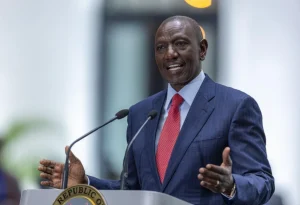
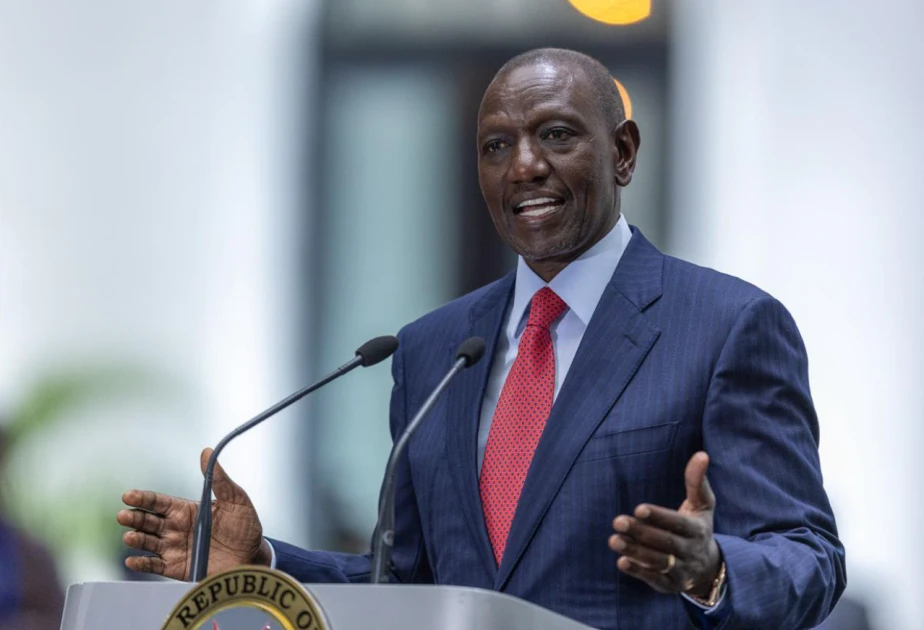
Kenyan President William Samoei Ruto, Coordinator of the Committee of African Heads of State and Government on Climate Change (CAHOSCC), convened the committee on September 23, 2026, at the Permanent Observer Mission of the African Union to the United Nations in New York.
The meeting took place on the margins of the 81st Session of the United Nations General Assembly and focused on advancing Africa’s common position ahead of COP31 in Antalya, Türkiye, while laying the groundwork for COP32, which Ethiopia is scheduled to host in 2027.
President Ruto said Africa’s climate agenda must move decisively from commitments to implementation.
He called for greater attention to climate finance, adaptation, resilience, renewable energy, clean cooking and climate-positive growth, arguing that the continent must help close the widening gap between international climate pledges and their delivery.
For African countries, the issue extends beyond environmental policy. Climate action is increasingly being linked to questions of development, energy access, industrialisation, employment and investment.
Ruto emphasised the need to translate existing commitments on adaptation finance into a credible pathway for implementation. He also highlighted the potential for investment in renewable energy, green industrialisation, sustainable infrastructure and resilient economies.
The Kenyan president reaffirmed the importance of the Nairobi and Addis Ababa Climate Declarations and their vision of positioning climate action as an opportunity for economic transformation, job creation, investment and sustainable development.
The discussions also looked beyond COP31 to COP32, which is expected to bring an African-hosted climate conference to the continent when Ethiopia hosts the event in 2027.
Chairperson of the African Union Commission, H.E. Mahmoud Ali Youssouf, said Africa continues to experience a disproportionate share of climate change impacts despite its historically limited contribution to global emissions.
He reaffirmed the continent’s position that climate action should be guided by equity, climate justice and the principle of common but differentiated responsibilities.
Ahead of COP31, the African Union identified several priorities, including significantly increased and accessible adaptation finance, effective support for addressing loss and damage, greater access to technology and capacity building, and just transition arrangements.
The AU also stressed the importance of expanding affordable energy access while creating employment opportunities for Africa’s growing youth and women populations and strengthening resilience at the community level.
A major concern is how climate financing can be mobilised without worsening existing debt pressures.
Youssouf stressed that climate finance must be accessible, affordable and predictable, while warning against approaches that could exacerbate Africa’s debt vulnerabilities.
Africa’s climate debate is increasingly being framed not only around vulnerability but also around the continent’s potential for investment.
The AU highlighted ongoing efforts by member states in areas including regional power integration, renewable energy, clean cooking and climate-resilient agriculture.
These sectors sit at the intersection of climate action and Africa’s wider development ambitions.
Renewable energy investment, for example, has implications for electricity access and industrial development, while clean cooking has consequences for household energy use and public health. Climate-resilient agriculture is similarly tied to food security and rural livelihoods.
The AU’s message is that these priorities require more than commitments. They require financing, technology, infrastructure and institutional capacity capable of turning policy ambitions into projects and measurable outcomes.
The New York meeting also brought attention to the importance of early coordination before COP31.
Simon Stiell, Executive Secretary of the United Nations Framework Convention on Climate Change (UNFCCC), reaffirmed the readiness of the UN Climate Change Secretariat to support African countries as they advance their priorities from COP31 in Antalya towards COP32 in Addis Ababa.
He emphasised sustained African coordination, early engagement and coalition-building as important elements in translating climate commitments into concrete results.
For the African Union, the two conferences therefore form part of a broader continuum.
COP31 is being positioned as an opportunity to strengthen the pathway from climate pledges to delivery, while COP32 in Ethiopia is expected to provide a platform for placing African priorities, including adaptation, climate finance, investment and implementation, more prominently within global climate discussions.
As African governments prepare for the negotiations ahead, the continent’s central demand remains focused on implementation: ensuring that climate commitments are matched by the financial resources, technology and investment needed to turn them into action.
With Ethiopia preparing to host COP32, African governments are also looking towards a potentially significant moment in the continent’s climate diplomacy — one in which Africa’s climate challenges and its investment and development opportunities can be presented as part of the same agenda.