Africa’s conservation efforts are demonstrating that wildlife population decline can be reversed, even as monitored animal populations worldwide continue to shrink, according to the latest Living Planet Report by the World Wide Fund for Nature (WWF).
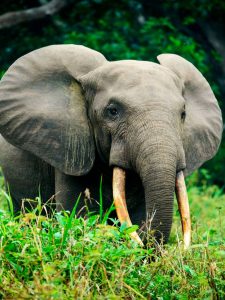
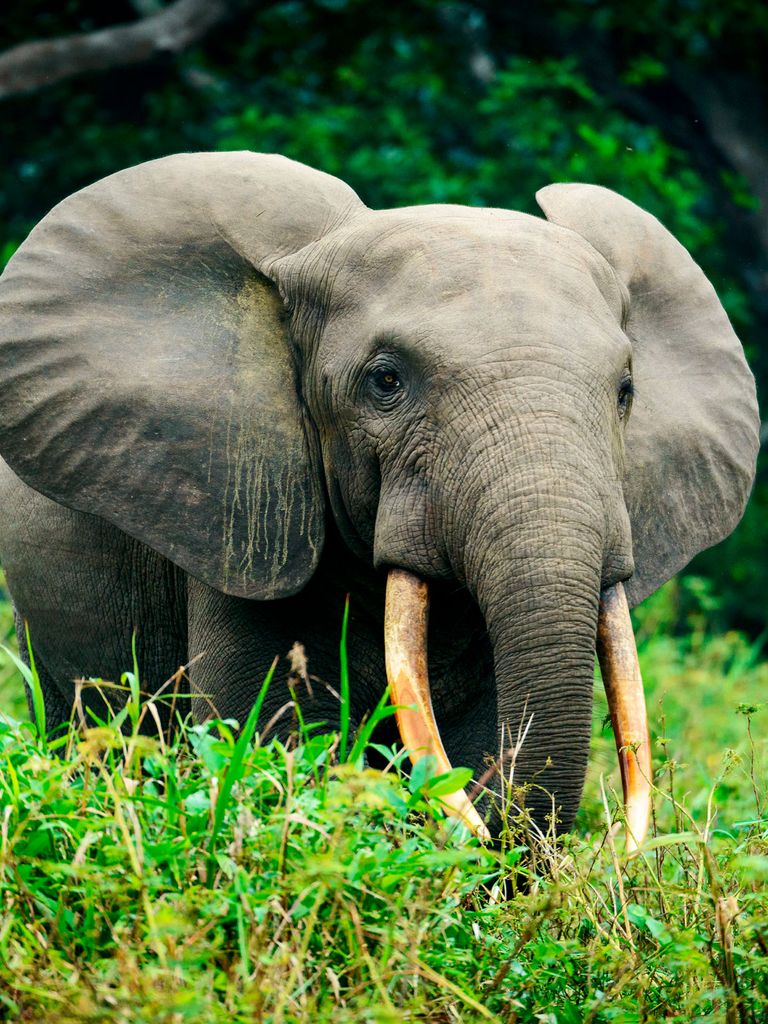
The report, titled Science of Hope, highlights the recovery of species such as southern African elephants and black rhinos as evidence that targeted conservation measures can help restore wildlife populations when governments, communities and conservation organisations work together.
The report found that average monitored wildlife populations worldwide declined by 73 per cent between 1970 and 2022.t The findings are based on the Living Planet Index, which assessed 35,803 populations covering 5,790 species of mammals, birds, reptiles, amphibians and fish.
Freshwater species recorded the steepest average decline, at 85 per cent, followed by terrestrial species at 69 per cent and marine species at 59 per cent.
Africa recorded an 80 per cent decline in monitored wildlife populations, while Latin America and the Caribbean experienced the largest regional fall, at 95 per cent.
Despite the scale of the losses, WWF says the findings do not mean wildlife recovery is beyond reach. Instead, successful conservation initiatives demonstrate that decisive intervention can make a difference.
In parts of southern Africa, conservation strategies have helped elephant populations recover. Community-based natural resource management programmes have also given local communities a direct stake in protecting and managing elephant populations.
These initiatives are supported by anti-trafficking measures, stronger judicial systems and efforts to reduce corruption, reinforcing the importance of effective institutions alongside community participation.
The report identifies habitat loss and degradation as the most frequently reported threat to wildlife. Other pressures include overexploitation, climate change, pollution, invasive species and disease.
However, WWF warns that isolated successes will not be enough to reverse the global trend. Conservation solutions must be implemented more rapidly and on a much larger scale to prevent further losses and secure lasting recovery.
The consequences extend beyond the natural environment. According to the report, approximately half of global gross domestic product depends on nature in some way, making the protection of ecosystems an economic and social priority as well as an environmental one.
Yet the financial flows remain heavily imbalanced. In 2023, approximately $7.3 trillion went towards activities harmful to nature, compared with $220 billion directed towards conservation and restoration.
WWF argues that reversing biodiversity loss will require fundamental changes to energy, food and financial systems. Governments, businesses, organisations and local communities all have roles to play in making these changes possible.
The report’s central message is that the decline of wildlife is not inevitable. Africa’s conservation experiences offer important lessons, but turning hope into lasting results will depend on sustained investment, stronger protection measures and action on a scale that matches the urgency of the crisis.