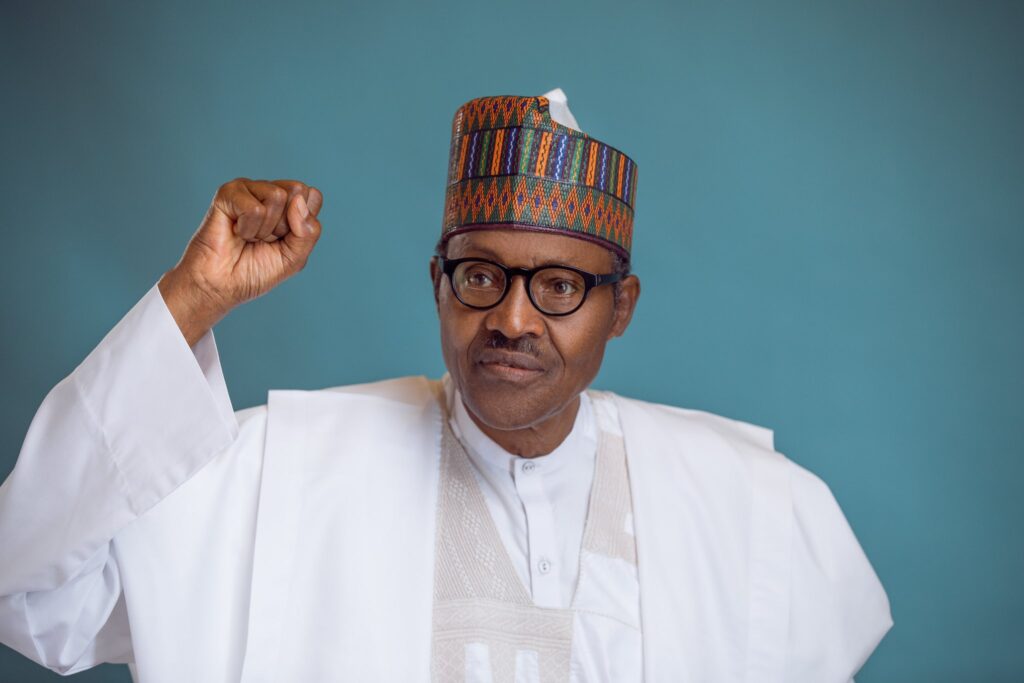
The world joins Nigeria in mourning the death of former President Muhammadu Buhari, GCFR, who passed away at the age of 82. His passing marks the end of an era in African leadership and leaves behind a legacy that will reverberate across political and historical discourse globally.
The All Progressives Congress (APC), Nigeria’s ruling party, described Buhari as “an enigmatic leader, iconic elder-statesman, and exemplary patriot” in an official statement released from its national headquarters in Abuja.
Buhari’s journey from a decorated military general to a democratically elected president defied global expectations and redefined narratives around transitions from military to civilian rule in Africa. As a former military ruler (1983–1985) turned two-term civilian president (2015–2023), Buhari remains one of the few African leaders to bridge both eras with a consistent emphasis on anti-corruption, national unity, and governance reforms.
In a continent often scarred by sit-tight leaders and electoral controversies, Buhari stood out as a figure of resilience. His 2015 electoral victory made international headlines as the first time a sitting Nigerian president was unseated at the polls — a significant milestone for democratic consolidation not just in Nigeria but across Africa. The peaceful transfer of power to him from former President Goodluck Jonathan was hailed as a model for African democracies by observers around the world.
Before that landmark election, Buhari led the Congress for Progressive Change (CPC), a party he founded, which later merged with others in 2013 to form the All Progressives Congress (APC), now Nigeria’s dominant political force. That coalition-building effort earned him recognition among global political analysts as a strategist with an enduring vision for political stability.
From chairing Nigeria’s Petroleum Trust Fund to leading anti-insurgency efforts as Commander-in-Chief, Buhari’s leadership style — often spartan and reserved — won him admiration for discipline and simplicity, even as critics debated the impact of some of his policies.
His tenure was marked by efforts to tackle corruption, reposition Nigeria’s global image, and intensify the fight against terrorism, particularly in the country’s northeast. Though polarizing at times, Buhari’s presidency was pivotal in shaping Nigeria’s place within African Union policy circles and international diplomacy
On behalf of APC’s Acting National Chairman, Hon. Bukar Dalori, and the National Working Committee (NWC), the party extended condolences to President Bola Ahmed Tinubu, the government of Katsina State — Buhari’s home region — and the entire Nigerian populace.
“May the Almighty Allah grant his soul Aljannatul Firdaus,” read the closing line of the statement by APC National Publicity Secretary, Felix Morka, CON.
From Washington to Addis Ababa, tributes are expected to pour in, reflecting Buhari’s role as a key player in the Sahel’s security architecture and his engagement in critical dialogues on African debt, climate resilience, and regional integration.
As Nigeria and the world mourn, Buhari’s life reminds us of the complexities and possibilities of African leadership — marked by military beginnings, democratic commitments, and the eternal struggle for national rebirth.