More than a century after the invasion of Benin City by British forces, pieces of the Benin Kingdom’s stolen heritage are finally finding their way back to Nigeria.
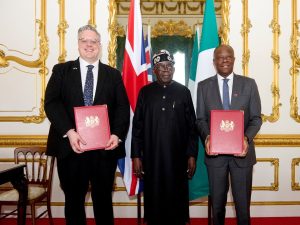
The University of Cambridge has formally transferred ownership of over a hundred Benin artefacts from its Museum of Archaeology and Anthropology to Nigeria’s National Commission for Museums and Monuments (NCMM), under an agreement with the Benin Royal Palace. The decision follows a formal restitution request made by Nigeria in January 2022 for objects looted during the 1897 British invasion of Benin City.
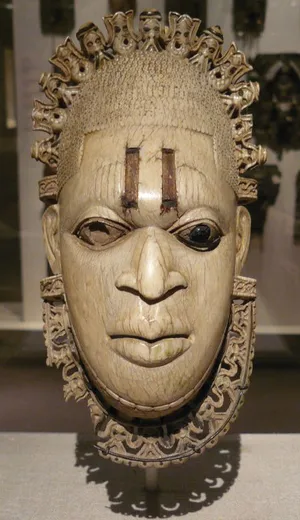
The artefacts, primarily brass works with some ivory and wooden sculptures, were taken from the Benin Royal Palace during the so-called “punitive expedition” that dismantled one of West Africa’s most sophisticated pre-colonial states. For decades, these objects were displayed in European museums, celebrated for their artistic excellence while separated from the people and history that gave them meaning.
The transfer of ownership, approved by the University Council and authorised by the UK Charity Commission, marks a significant shift in how cultural institutions are responding to colonial-era collections. While most of the artefacts will be physically returned to Nigeria in due course, a small number will remain on long-term loan at Cambridge for research and public display.
For Nigeria, the return represents more than the movement of objects. According to the Director-General of the NCMM, Olugbile Holloway, restitution is tied to restoring dignity, cultural memory, and historical continuity lost during colonial violence. The artefacts are not merely museum pieces; they are records of governance, spirituality, and craftsmanship created by royal guilds that served the Oba of Benin over centuries.
The Cambridge decision aligns with a growing international shift. Germany, the Netherlands, and several European institutions have transferred ownership of Benin artefacts to Nigeria in recent years. These actions have intensified discussions around the responsibilities of museums that hold objects acquired through force, particularly in Britain, where major collections remain bound by restrictive legislation.
The process of restitution has not been without challenges. Questions around legal ownership, custodianship, funding, and exhibition spaces within Nigeria have at times slowed progress. Nonetheless, the return of the Cambridge artefacts signals a turning point in the global conversation on cultural justice.
As the artefacts prepare for their journey home, they highlight a broader reality: history cannot be permanently displaced. The return of Benin artefacts is part of a wider effort to reclaim African narratives, restore cultural authority, and confront the legacies of empire that continue to shape global heritage institutions.