A Race Against Time: Combating Mpox in Sierra Leone
In a decisive move to curb the spread of the ongoing Mpox outbreak, Sierra Leone has initiated a nationwide vaccination campaign, marking a critical juncture in the country’s public health response. Since the first confirmed cases emerged in January 2025, authorities have faced mounting pressure to contain the virus, which has rapidly spread across the region, prompting concern from both national and international health organizations.
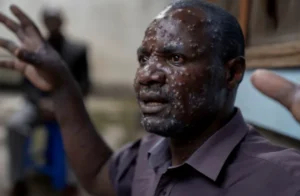
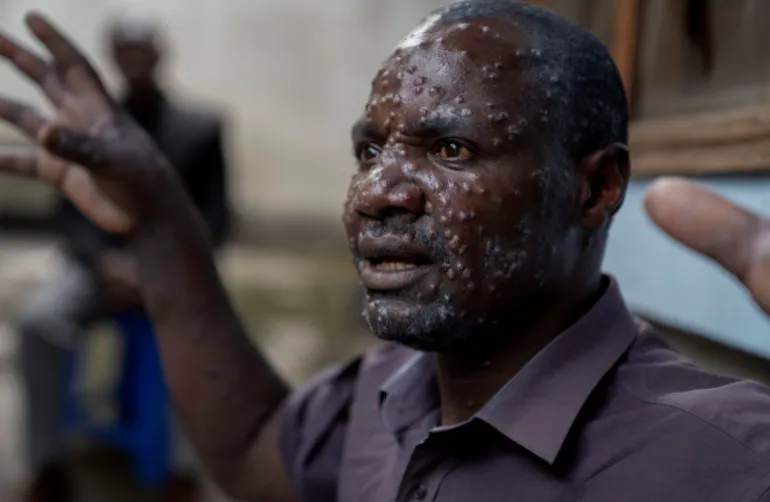
Mpox, formerly known as monkeypox, is a viral disease characterized by fever, headaches, swollen lymph nodes, and painful skin lesions. While it primarily spreads through direct physical contact, including sexual activity, recent outbreaks have demonstrated its potential for wider transmission, making swift containment efforts imperative.
An Escalating Crisis in Africa
The resurgence of Mpox in various African nations has underscored the vulnerability of public health systems in responding to emerging infectious diseases. According to the Africa Centers for Disease Control and Prevention (Africa CDC), the continent has recorded nearly 8,000 cases and 49 fatalities since January 2025. With active transmissions documented in 23 countries, Mpox remains a formidable public health challenge.
Sierra Leone, one of the last Mano River Union nations to detect Mpox cases, confirmed its first two infections at the start of the year. In response, the National Public Health Agency (NPHA) swiftly declared a State of Public Health Emergency, triggering heightened surveillance measures and public awareness campaigns. Despite these efforts, the country has since recorded 115 confirmed cases and two fatalities, with most infections concentrated in the capital, Freetown, and its surrounding regions.
Navigating Vaccine Constraints
As the country steps up its fight against Mpox, access to vaccines remains a significant hurdle. With only 61,300 doses available for a population of 8.5 million, the government has devised a highly targeted immunization strategy. The priority groups for vaccination include frontline healthcare workers, security personnel, and individuals who have been in direct contact with confirmed cases. By concentrating on high-risk areas, authorities hope to maximize the impact of the limited vaccine supply.
The vaccines, procured by UNICEF with funding from GAVI, the Vaccine Alliance, and the Republic of Ireland, mark a crucial milestone in Sierra Leone’s fight against the virus. Technical support from Africa CDC and the World Health Organization (WHO) has further bolstered the nation’s capacity to effectively deploy the vaccine.
Mobilizing Communities for Success
While the vaccine rollout represents a significant step forward, officials recognize that immunization alone will not suffice in stemming the outbreak. Community engagement and public awareness play a central role in ensuring the campaign’s success. Civil society organizations, such as FOCUS 1000, have launched sensitization programs to educate communities on the importance of vaccination and preventive measures.
“We have seen the impact of vaccination in eradicating smallpox and combating polio. This is another opportunity to protect our people from a serious public health threat,” emphasized Mohamed Bailor Jalloh, CEO of FOCUS 1000, during the campaign launch.
NPHA Executive Director, Prof. Foday Sahr, echoed these sentiments, stressing that a combination of surveillance, vaccination, and community cooperation will be key to breaking the chain of Mpox transmission in Sierra Leone.
As the country embarks on this crucial immunization campaign, the coming months will be pivotal in determining whether these concerted efforts can successfully curb the spread of Mpox and safeguard public health. With a coordinated strategy and unwavering commitment, Sierra Leone aims to turn the tide against this outbreak and reinforce its preparedness for future public health challenges.