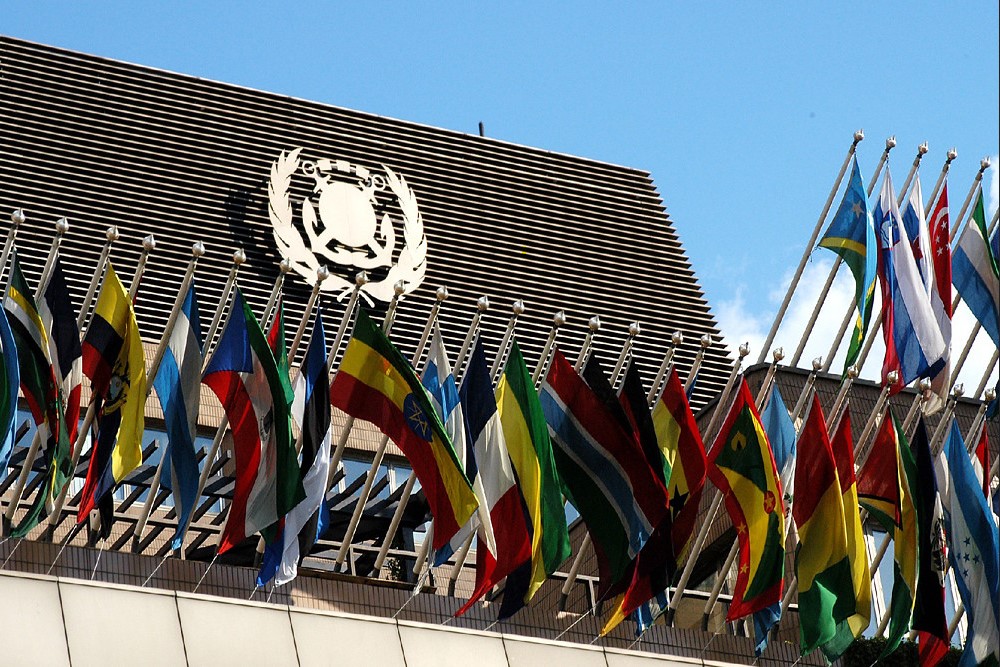
Nigeria has secured a coveted seat on the International Maritime Organisation (IMO) Council, marking a strategic diplomatic comeback and reinforcing the country’s ambition to be a key voice in global maritime governance. The election took place on Friday during the IMO General Assembly in London, United Kingdom.
Rather than being just a ceremonial win, Nigeria’s return highlights growing international recognition of the country’s maritime reforms, strengthened port operations, and a renewed push to position itself as the leading maritime hub in West and Central Africa.
The IMO Council is structured into three categories:
-
Category A: 10 states with the largest stake in providing international shipping services.
-
Category B: 10 states with the greatest interest in international seaborne trade.
-
Category C: 20 states with unique maritime interests and a role in ensuring balanced global geographic representation — the group Nigeria has now rejoined.
In separate confirmations on X, the Nigerian Maritime Administration and Safety Agency (NIMASA) and the Nigerian Ports Authority (NPA) framed the development as a clear endorsement of Nigeria’s renewed maritime vision.
NIMASA described the election as proof of Nigeria’s “growing influence in the global maritime community,” noting that the country’s reforms have begun shaping perceptions among international partners.
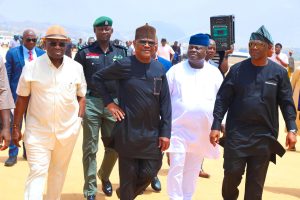
For the NPA, the victory reflects the “visionary leadership” of Marine and Blue Economy Minister Gboyega Oyetola, whose strategic campaign earlier this year rallied regional and global support. The agency highlighted improvements in port efficiency, digitalisation, and trade facilitation as key pillars behind Nigeria’s strengthened candidature.
“Joining the IMO Council in Category C places Nigeria among the world’s leading maritime nations,” the NPA said, noting that the seat amplifies Nigeria’s role in crafting policies on safety, security, environmental standards, and the future of global shipping.
The achievement also signals renewed confidence in Nigeria’s blue economy agenda — a sector Oyetola has repeatedly championed as a major engine for economic diversification. Since July, the minister led a coordinated campaign involving diplomacy, technical presentations, and regional alliances to secure support from IMO member states.
With this win, Nigeria now has a platform to influence global maritime decisions and advance national interests, from port reforms to maritime security, environmental sustainability, and coastal infrastructure.
For a nation long regarded as the maritime gateway to the Gulf of Guinea, the return to the IMO Council marks not just a diplomatic milestone, but a strategic step toward shaping the future of maritime governance worldwide.