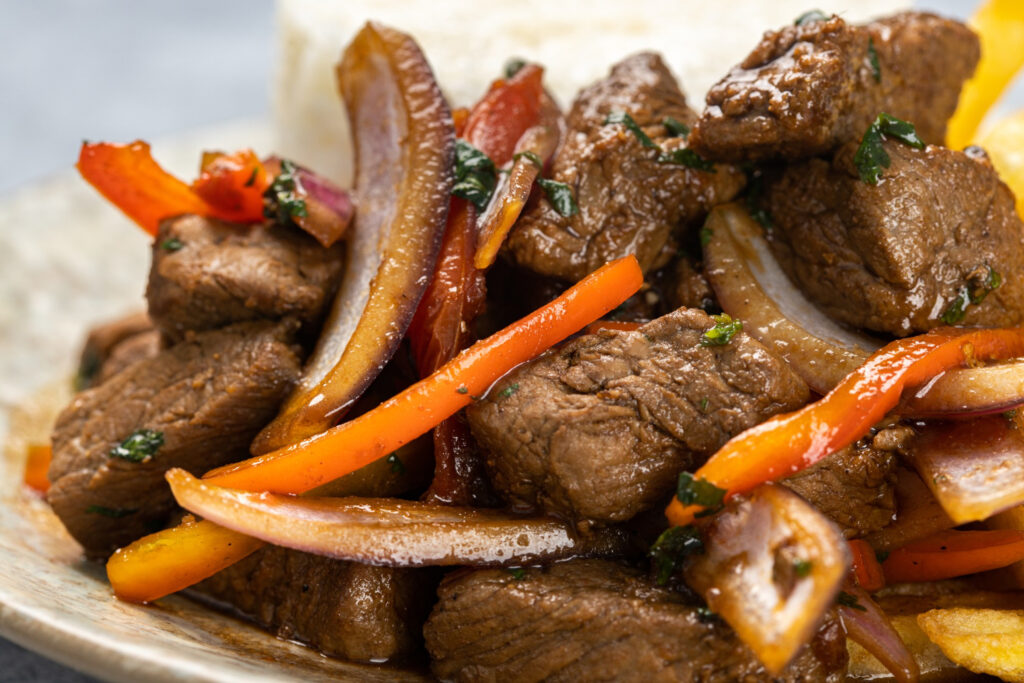
African cuisine has played a significant role in shaping global food cultures. Many dishes and ingredients that originated from the continent have traveled across the world, influencing cuisines in the Americas, the Caribbean, and beyond. Through trade, migration, and the transatlantic slave trade, African food traditions have left a lasting mark on international gastronomy.
The Spread of African Ingredients
Some of the most popular ingredients in global cuisine have African roots. Okra, black-eyed peas, yams, and kola nuts were widely cultivated in Africa before being introduced to other continents. These ingredients became staples in Southern American, Caribbean, and Brazilian cooking, often blended with local flavors to create new culinary traditions.
Jollof Rice and Its Global Variations
Jollof rice, a beloved West African dish, has influenced rice-based meals across the world. Variations of Jollof rice can be found in Creole jambalaya in Louisiana and Spanish paella. The dish’s rich blend of tomatoes, peppers, and spices showcases the adaptability and influence of African cooking styles.
Suya and Barbecue Culture
Suya, a popular Nigerian street food consisting of skewered and spiced grilled meat, shares similarities with barbecue traditions in the United States and South America. The concept of marinating and grilling meat over an open flame is an African culinary technique that has shaped global barbecue culture.
The African Influence on Caribbean Cuisine
Many staple dishes in the Caribbean, such as rice and peas, callaloo, and jerk chicken, have strong African roots. Enslaved Africans brought their food knowledge and cooking methods to the region, blending them with indigenous and European ingredients to create the vibrant Caribbean cuisine we know today.
Preserving and Celebrating African Culinary Heritage
Today, African food continues to gain global recognition. African restaurants and chefs are bringing traditional recipes to the world stage, while food historians work to trace and preserve the continent’s rich culinary heritage. Understanding the global impact of African food not only enriches our appreciation of world cuisine but also highlights Africa’s historical and cultural contributions beyond its borders.