Throughout history, Africa has been home to powerful and strategic rulers, many of whom were women. While much of mainstream history overlooks their contributions, these queens led armies, negotiated treaties, and defended their people with wisdom and strength. This article highlights some of the most influential but often forgotten African queens who shaped the course of history.
1. Queen Amina of Zazzau (16th Century, Present-day Nigeria)
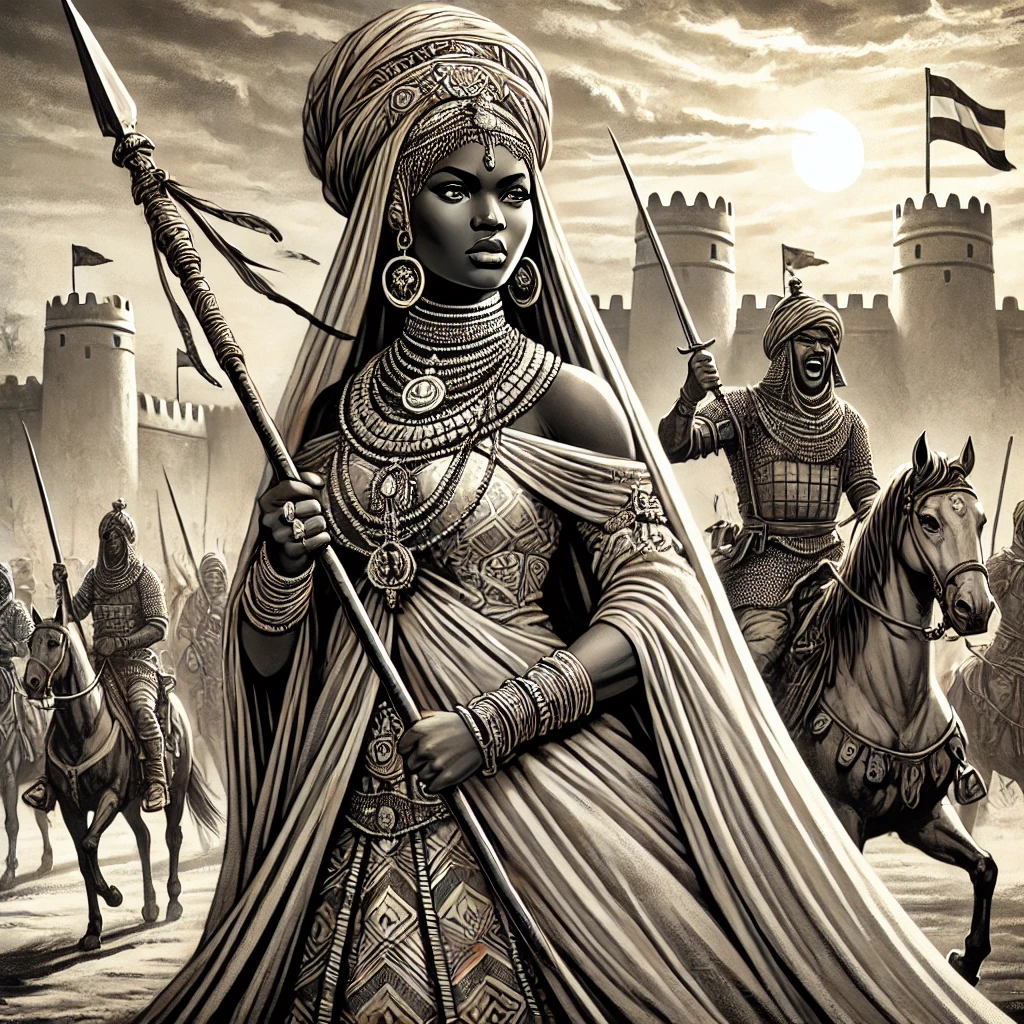
Queen Amina of Zazzau (now Zaria in Nigeria) was a fierce warrior and brilliant strategist. She ruled the Hausa city-state of Zazzau in the 16th century and expanded her kingdom through military conquests. Amina is credited with constructing defensive walls around cities, a feature that became a hallmark of Hausa architecture. Her legacy as a fearless warrior queen still inspires many in Northern Nigeria.
2. Queen Nzinga of Ndongo and Matamba (1583–1663, Present-day Angola)
Queen Nzinga was a masterful diplomat and military leader who fiercely resisted Portuguese colonization. She ascended to power in the 17th century and formed strategic alliances, including with the Dutch, to fight against Portuguese incursions. Nzinga transformed Matamba into a powerful trading state and maintained her people’s sovereignty for decades. Today, she is remembered as a symbol of resistance against colonial oppression.
3. Kandake Amanirenas of Kush (1st Century BCE, Present-day Sudan)
Kandake (or Candace) Amanirenas was the warrior queen of the ancient Kingdom of Kush. She is best known for leading a military campaign against the Roman Empire after they attempted to conquer her territory. Despite losing an eye in battle, Amanirenas successfully defended Kush and negotiated a peace treaty with Rome that ensured her kingdom’s independence. Her story is a testament to African resilience and strength.
4. Queen Ranavalona I of Madagascar (1778–1861)
Queen Ranavalona I ruled Madagascar for over three decades and fiercely resisted European influence. She implemented policies to preserve Malagasy traditions and independence, pushing back against French and British attempts at colonization. Although her reign was marked by strict policies, she remains a significant figure in the history of African resistance to foreign domination.
5. Queen Makeda (Believed to be the Queen of Sheba, Ethiopia)
Queen Makeda, popularly associated with the Queen of Sheba, is an ancient African ruler mentioned in Ethiopian, Arabian, and Biblical traditions. Ethiopian history credits her with bringing great wisdom and prosperity to her kingdom. She is also said to have visited King Solomon in Jerusalem, establishing a lineage that, according to Ethiopian tradition, led to the Solomonic dynasty.
Legacy of African Queens
The stories of these queens challenge the common narrative that African societies were solely patriarchal. These women demonstrated political acumen, military might, and leadership that rivaled some of the most renowned rulers in history. Their legacies continue to inspire modern African women leaders and movements advocating for gender equality and empowerment.
By revisiting these historical figures, we not only honor their contributions but also reclaim Africa’s rich and diverse history. It is time to bring these forgotten queens into mainstream conversations and ensure their stories are passed on to future generations.