https://www.dailynewsegypt.
As world leaders converge in Davos for the 2026 World Economic Forum, Food security was a major issue as UN agencies are reframing global hunger and displacement as issues that now sit squarely at the heart of economic and market stability.
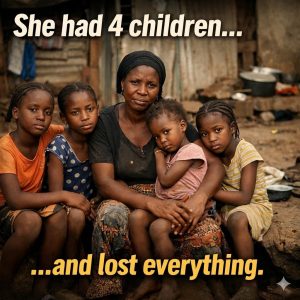
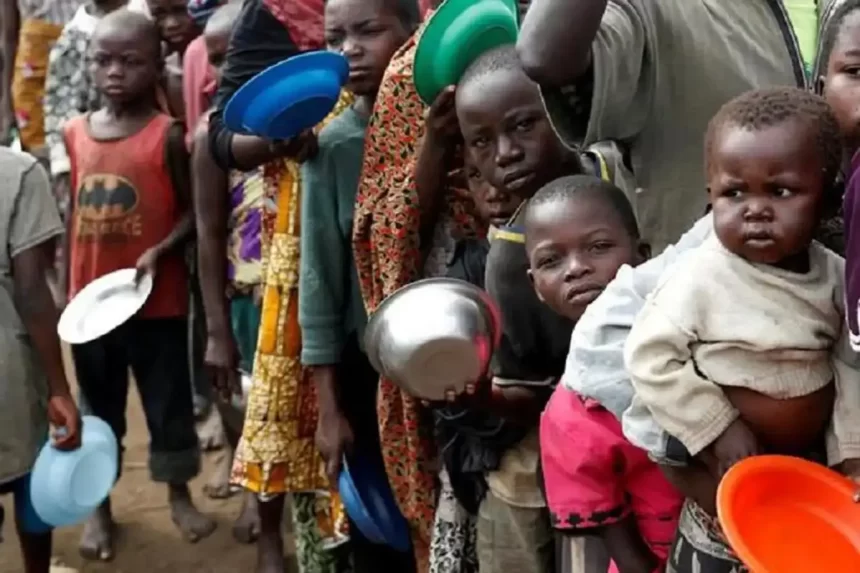
issues around food security, once treated primarily as a humanitarian concern is increasingly being described as an economic vulnerability capable of disrupting labor markets, supply chains, and long-term private sector investments. According to the UN World Food Programme (WFP), an estimated 318 million people are currently facing acute hunger, with hundreds of thousands living in famine-like conditions. The agency warns that such levels of human insecurity are incompatible with sustained global growth.
Funding gaps are widening even as needs surge. WFP projects that current financial pledges will cover less than half of its $13 billion requirement for 2026, limiting the agency to reaching only a third of those in need. “Hunger drives displacement, conflict, and instability,” said Rania Dagash-Kamara, WFP Assistant Executive Director for Partnerships and Innovation. “These dynamics don’t just threaten lives — they threaten the markets and workforce that businesses rely on.”
At Davos, the agency is urging CEOs and investors to treat food security as both a risk and an opportunity frontier, calling for greater investment in logistics, supply-chain technology, and agricultural innovation capable of stabilizing fragile markets. The private sector, WFP argues, has a direct stake in mitigating hunger to safeguard future growth.
Alongside hunger, the International Organization for Migration (IOM) is pushing a strategic reframing of migration as an economic engine rather than a burden. IOM Director General Amy Pope argues that mobility, when well managed, drives productivity and innovation, while also offering durable alternatives to long-term displacement. The agency points to partnerships with investors and diaspora networks — including remittance-backed ventures and entrepreneurship platforms — as proof that migration-linked capital can open new markets and expand financial inclusion.
This year’s forum features a significant UN presence, including senior officials from WHO, UNDP, IAEA, UNGA, and UNHCR, underscoring the extent to which global governance institutions are leaning into the economic implications of humanitarian crises.
Their message to Davos is clear: rising hunger and displacement are shaping not just the future of humanitarian policy, but the future of the global economy itself.