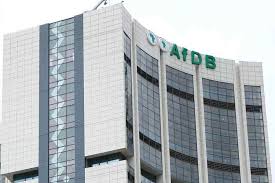
The African Development Bank (AfDB) has approved a $3.9 million technical assistance programme aimed at closing the long-standing gap between energy policy commitments and actual electricity delivery across Africa, as part of the Mission 300 initiative to connect 300 million people to power by 2030.
The two-year initiative, known as AESTAP Mission 300 Phase II, will support 13 African countries where national energy strategies and compacts are already in place but have faced persistent implementation challenges. Beneficiary countries include Nigeria, Kenya, Ethiopia, Tanzania, the Democratic Republic of Congo, Uganda, Namibia, Madagascar, Malawi, Gabon, Mauritania, Chad, and Lesotho.
Rather than financing physical infrastructure directly, the programme focuses on strengthening the systems that determine whether power projects succeed or stall. This includes reforming electricity regulations, improving sector planning, restructuring tariffs, and building confidence for both public and private investors.
According to AfDB’s Director of Energy Financial Solutions, Policy and Regulation, Wale Shonibare, the initiative is designed to translate policy promises into tangible outcomes for citizens. He noted that while governments have made ambitious commitments through National Energy Compacts, sustained technical support is required to ensure those commitments result in real connections for households and businesses.
A key pillar of the programme is support for national electricity utilities, many of which struggle with operational inefficiencies, power losses, and weak revenue collection. By improving utility performance, the AfDB aims to enhance reliability and financial sustainability across power systems.
The initiative also places strong emphasis on data, research, and regional learning. Participating countries will benefit from improved access to analytical tools such as the Electricity Regulatory Index, as well as peer learning through regional energy forums that promote best practices in regulation and sector governance.
Crucially, AESTAP Mission 300 Phase II will embed expert advisers within government-led Compact Delivery and Monitoring Units, enabling closer coordination across ministries and real-time tracking of reform progress. These units serve as the backbone for implementing national energy compacts and ensuring accountability.
The programme builds on AESTAP Mission 300 Phase I, a $1 million effort approved in December 2025 that focused on establishing these delivery units and strengthening their institutional capacity through training, planning tools, and monitoring systems.
Funded through the Sustainable Energy Fund for Africa, Phase II represents the AfDB Group’s contribution to accelerating energy reform implementation in partnership with Mission 300 collaborators such as the World Bank, national governments, and development agencies.
Together, the $4.9 million investment across both phases reflects a growing consensus that expanding electricity access in Africa depends not only on financing infrastructure but also on strengthening the regulatory, institutional, and coordination frameworks that turn energy plans into power at the socket.