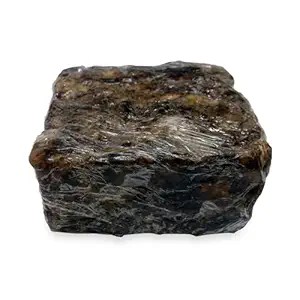
The African black soap is popular in Africa, especially Western Africa. It is mostly used by people who prefer natural products and for newborn babies.
The soap is made using a combination of ashes from cocoa pods, palm leaves, and shea tree bark, which are sustainably harvested and then sun-dried.
These ashes are then mixed with water and various oils—often palm oil, coconut oil, shea butter, or palm kernel oil—to form a rich, dark-colored paste. The mixture is left to cure for several weeks before being hand-cut into bars or balls, ready for use.
The Natural Ingredients and Their Benefits
-
Plantain Peel Ash: Rich in vitamins A and E, as well as iron. It helps cleanse and exfoliate the skin, removing impurities and dead cells to reveal a brighter complexion.
-
Cocoa Pod Ash: High in antioxidants, cocoa pod ash aids in fighting free radicals and reducing inflammation, making it particularly beneficial for acne-prone or sensitive skin.
-
Shea Butter: Renowned for its moisturizing and nourishing properties, shea butter deeply hydrates the skin, promoting elasticity and suppleness while soothing irritation and combating dryness.
-
Palm Oil/Palm Kernel Oil: These oils are rich in fatty acids and vitamins, providing essential nutrients to the skin and helping to maintain its natural moisture barrier.
Why You Should Use African Black Soap
-
Gentle Cleansing: Effectively removes dirt, oil, and makeup without stripping the skin of its natural oils, making it suitable for all skin types, including sensitive and acne-prone skin.
-
Exfoliation: Plantain peel ash provides gentle exfoliation, helping unclog pores and promoting smoother, more radiant skin.
-
Moisturizing: Shea butter and natural oils hydrate and nourish the skin, leaving it soft, supple, and rejuvenated.
-
Anti-inflammatory: Cocoa pod ash has anti-inflammatory properties that soothe irritated or inflamed skin conditions like eczema, psoriasis, and acne.
How to Integrate African Black Soap Into Your Routine
-
Daily Cleansing: Use the soap daily as part of your morning and evening skincare routine. Wet your hands and lather the soap, then gently massage it onto damp skin in circular motions. Rinse thoroughly with lukewarm water and pat dry.
-
Targeted Treatments: For acne or hyperpigmentation, create a thicker lather and leave it on affected areas for a few minutes before rinsing. Follow with a moisturizer or treatment serum.
-
Hair Care: African black soap can also be used as a mild shampoo. Lather the soap in your hands and massage it into wet hair, then rinse thoroughly.
Top-Rated African Black Soaps You Can Try
Here are some trusted options you might love:
1. Era of Nature Best Raw Organic African Black Soap (8 oz)
Handcrafted in Ghana, known for its purity and effectiveness. Made with natural ingredients like shea butter and coconut oil, ideal for dry skin and various skin conditions. Gentle cleansing and moisturizing properties make it a user favorite.
2. Our Earth’s Secrets Raw African Black Soap (1 lb)
A generous 1-pound bar of authentic African black soap made from pure, natural ingredients with no artificial fragrances. Great for all skin types, especially sensitive skin. Customers love its ability to improve skin texture and tone.
3. SheaMoisture African Black Soap Bar (8 oz)
From the trusted brand SheaMoisture, this soap bar is formulated to cleanse, moisturize, and balance oily skin. Contains shea butter, oats, and aloe—perfect for soothing troubled skin and managing acne.
Disclosure: As an Amazon Associate, we may earn from qualifying purchases. This means that if you make a purchase through one of our affiliate links, we may earn a small commission at no extra cost to you, we appreciate your support.