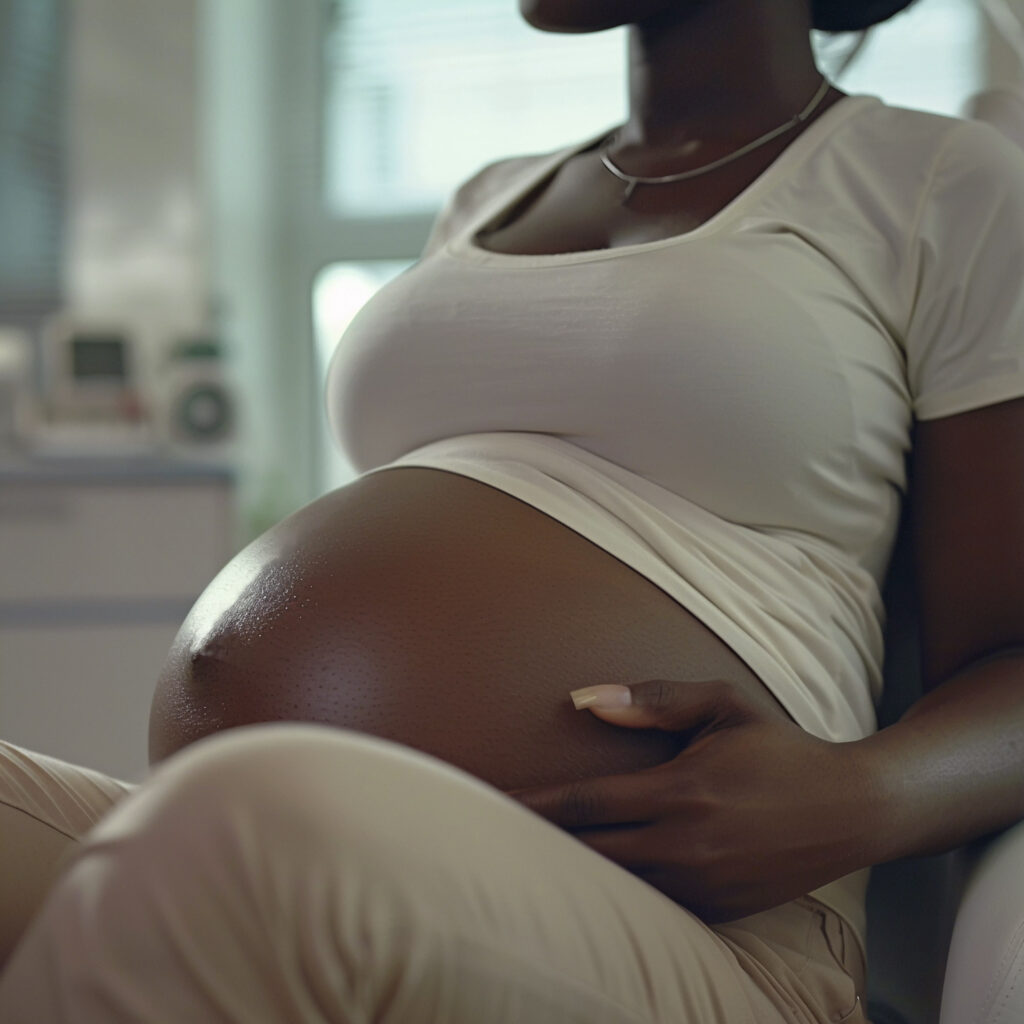
The World Health Organisation (WHO) has raised concerns over the alarming rates of maternal and neonatal mortality in Nigeria.
WHO Country Representative in Nigeria, Dr. Walter Kazadi Molumbo, made this known during the 2025 Walk the Talk event held in Abuja to mark World Health Day (WHD). The theme for this year’s celebration is “Healthy Beginnings, Hopeful Futures.”
Dr. Molumbo emphasized the urgent need for collective action to accelerate progress in reducing maternal and neonatal mortality.
He noted that the walk was organised to raise awareness around the theme, spotlighting the critical need to address the persistently high rates of maternal and neonatal deaths.
“Every year on the 7th of April, we celebrate this day to mark the founding of WHO by our Member States,” he said. “This walk is about raising awareness of this year’s theme — healthy beginnings and a brighter future — and reminding the world of the urgent need to tackle the unacceptably high rates of maternal and neonatal mortality. It is also an opportunity to highlight the importance of staying physically active for overall health.”
Speaking on the latest data, Dr. Molumbo noted that while the most recent figures had just been released, the Ministry of Health is best positioned to provide specifics. However, he referenced findings from previous Nigeria Demographic and Health Surveys, which indicate that the numbers remain troublingly high.
“This is why WHO, alongside the government and partners, is working tirelessly to accelerate the reduction of maternal and neonatal mortality,” he stated.
He referenced the recently launched MAMI (Maternal and Neonatal Mortality Acceleration Initiative), developed by the Ministry of Health and Social Welfare, aimed at fast-tracking improvements in maternal and child health.
Dr. Molumbo reiterated WHO’s commitment to supporting the government at all levels in addressing these challenges with urgency.
“It’s not about them and us — it’s about all of us, together, working towards achieving this goal by 2030,” he stressed. “WHO continues to support improvements in guidelines, strategies, and training for healthcare workers to ensure the expected changes are realized. This is our shared responsibility.”
Meanwhile, in a statement issued to mark World Health Day, Dr. Chikwe Ihekweazu, Acting WHO Regional Director for Africa, highlighted that despite some progress, much remains to be done across the continent.
According to the latest estimates from the United Nations Maternal Mortality Estimation Interagency Group, Africa has seen a 40% decline in maternal mortality — from 727 to 442 deaths per 100,000 live births between 2000 and 2023. However, the region still accounts for 70% of global maternal deaths, with approximately 178,000 mothers and 1 million newborns dying annually from largely preventable causes.
Dr. Ihekweazu noted that to meet the Sustainable Development Goal (SDG) of fewer than 70 maternal deaths per 100,000 live births by 2030, the region needs to increase its rate of progress by 12 times.
“At the current annual reduction rate of 2.2%, the region is projected to have nearly 350 maternal deaths per 100,000 live births by 2030 — five times higher than the SDG target,” the statement read.
Similarly, while stillbirth and neonatal mortality rates have declined by 30% and 33% respectively between 2000 and 2023, sub-Saharan Africa still accounts for 47% of stillbirths and 46% of global newborn deaths. Without accelerated efforts, the region is on track to record neonatal mortality rates about double the SDG target of 12 deaths per 1,000 live births by 2030.
“In too many places, pregnancy and childbirth remain life-threatening events,” Dr. Ihekweazu lamented.
“But it doesn’t have to be this way. Every dollar invested in maternal and newborn health yields major returns: healthier families, stronger societies, and sustainable economic growth.