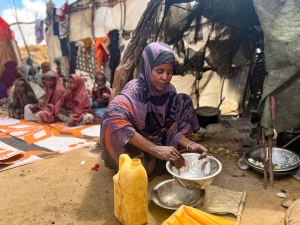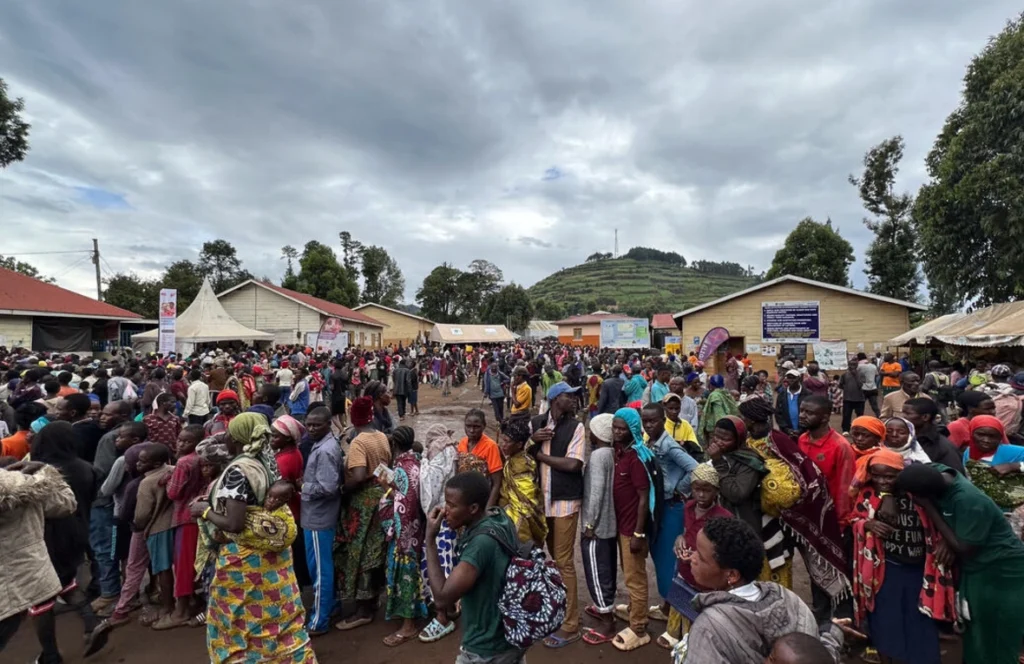
Uganda, Africa’s largest refugee host, is grappling with a growing humanitarian challenge as tens of thousands of Congolese refugees pour across its western border. Fleeing escalating violence in the eastern Democratic Republic of the Congo (DRC), these desperate arrivals are adding to the strain on Uganda’s already stretched resources, especially as the country continues to support over 70,000 Sudanese refugees escaping their own two-year-long conflict.
Since the beginning of the year, more than 41,000 Congolese refugees have sought sanctuary in Uganda. This brings the total number of Congolese refugees in the country to nearly 600,000, out of the overall 1.8 million refugees Uganda currently shelters. Alarmingly, in just the past two weeks, an average of 600 people have been crossing the border each day.
Among the most vulnerable are children, many of whom arrive weak and ill, battling malaria and severe malnutrition. Reports from the Nyakabande and Matanda transit centres in the southwest are heartbreaking — at least nine children under five have died from malnutrition-related anaemia since January.
The refugees, predominantly women and children, are entering Uganda through Bunagana in Kisoro District, Butogota in Kanungu, and Sebagoro in Kikuube. Many come from the conflict-ravaged areas of Rutshuru, Masisi, and Goma, having endured harrowing experiences including killings, sexual violence, and life-threatening journeys. In Kikuube alone, nearly 4,000 people have made the dangerous crossing over Lake Albert in overcrowded boats, braving storms and high waves. Disturbingly, reports indicate that men often travel separately to avoid being forcibly recruited by armed groups.
The influx has overwhelmed border transit centres. Nyakabande, built for far fewer people, is now operating at six times its intended capacity. The situation is compounded by the rainy season, forcing authorities to use every available space — including kitchens and registration areas — for shelter.
Despite the dire circumstances, efforts to support the refugees continue. Uganda’s Office of the Prime Minister (OPM), UNHCR, and humanitarian partners are working tirelessly to register new arrivals, screen for illnesses, and provide essential relief items like blankets, soap, and clean drinking water. Vulnerable individuals are identified for targeted support, and ongoing relocations have seen around 3,000 refugees transferred each week to established settlements.
However, critical shortages threaten to derail these efforts. Water, sanitation, and healthcare services at transit centres are dangerously inadequate. Matanda alone requires 150 additional latrines to meet basic hygiene standards. Health facilities, already stretched thin, are struggling to manage the flood of medical needs, especially as health workers have been reduced by 250 due to funding cuts.
Nationwide, Uganda has been forced to scale back vital services. Health centres have been closed, early childhood education programmes suspended, and resources for building shelters halted. Cuts to fuel supplies are also hampering logistics and service delivery.
UNHCR warns that without urgent funding, lifesaving services could be further reduced. While immediate priorities like border monitoring, registration, and emergency healthcare remain intact, critical services such as legal aid, child-friendly spaces, and safe zones for survivors of gender-based violence are at risk.
As Uganda stands at the frontlines of this unfolding crisis, the resilience of its people and the commitment of humanitarian agencies remain commendable. But to sustain these efforts, the international community’s support is urgently needed.
For further updates on this developing story, follow Etamagazine.