In a move that could reshape America’s global presence, the Trump administration is reportedly weighing the closure of nearly 30 embassies and consulates around the world. According to an internal State Department document obtained by CNN, the initiative forms part of a broader plan to downsize U.S. diplomatic operations amid escalating economic tensions and budgetary tightening.
Diplomatic Retrenchment in Focus
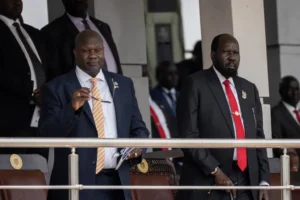
Targets for closure stretch across Europe and Africa, including embassies in strategic nations such as Malta, South Sudan, and the Republic of Congo. Consulates in powerhouses like France, Germany, and the United Kingdom are also reportedly under scrutiny.
The proposal does not entirely withdraw American presence; instead, it outlines a strategy where neighboring missions would absorb consular responsibilities. A new model of “light footprint posts” is being considered for volatile regions such as Iraq and Somalia, favoring smaller teams with limited mandates.
Efficiency vs. Influence
At the heart of the plan lies an ambitious promise: cutting costs while maintaining effectiveness. The document highlights evaluations based on factors like consular workload, regional security, and operational efficiency. It proposes, for instance, merging consular services in countries like Japan and Canada to create specialized hubs, a move the department sees as a future blueprint for managing large-scale diplomatic networks.
However, not everyone is convinced. Foreign policy experts caution that scaling back America’s visibility abroad could play directly into the hands of strategic competitors like China and Russia, who have been steadily expanding their diplomatic influence across Africa, Asia, and the Pacific.
A Cloud of Uncertainty
Despite the wide circulation of the internal recommendations, no official green light has been given. Secretary of State Marco Rubio has yet to endorse the plan publicly, and the White House remains tight-lipped. When pressed for comment, State Department spokesperson Tammy Bruce described the reports as “speculative,” pointing to “leaked documents from unknown sources.”
Yet the mere possibility of diplomatic closures has stirred debate in Washington, raising questions about America’s readiness to respond to global crises, protect its citizens abroad, and project soft power in contested regions.
More Than Just Buildings
Embassies and consulates serve as critical outposts for American diplomacy, offering not just visa and citizen services, but also vital intelligence gathering, crisis management, and cultural exchange programs. Their presence often symbolizes American commitment — and their absence could signal retreat at a time when global competition is intensifying.
What Lies Ahead
Whether the proposed closures become policy or remain an internal exercise, the discussion reflects a deeper shift underway: a redefinition of how the United States engages with the world — one that could have profound implications for decades to come.