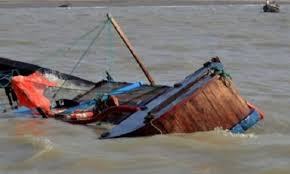
The recent boat accident in Niger State, which has claimed more than 60 lives, has once again exposed the recurring dangers of water transportation in Nigeria.
The vessel, carrying over 100 passengers—mostly women and children—capsized on Tuesday near Gausawa community in Borgu Local Government Area after striking a submerged tree stump. Officials from the Niger State Emergency Management Agency (NSEMA) attributed the incident to overloading and poor safety standards, problems that have long plagued riverine travel across the country.
Sadly, this is not an isolated tragedy. In August, more than 40 people went missing in Sokoto after a similar mishap, also caused by overloading. Every rainy season from March to October, swollen rivers and poorly maintained boats combine to create fatal journeys for Nigerians who depend on waterways for daily life.
For communities like Tungan Sule and Dugga—where the ill-fated passengers were headed for a condolence visit—boats are not just a means of travel, but a lifeline. Yet the absence of life jackets, poor vessel maintenance, and weak regulatory oversight often turn these lifelines into death traps.
Rescue efforts are ongoing in Niger State, but survivors and community leaders say the tragedy could have been prevented. “This keeps happening because safety is never enforced,” one local leader lamented.
Until meaningful action is taken to strengthen maritime safety laws and enforce compliance, Nigeria’s riverine communities will remain at the mercy of preventable tragedies.