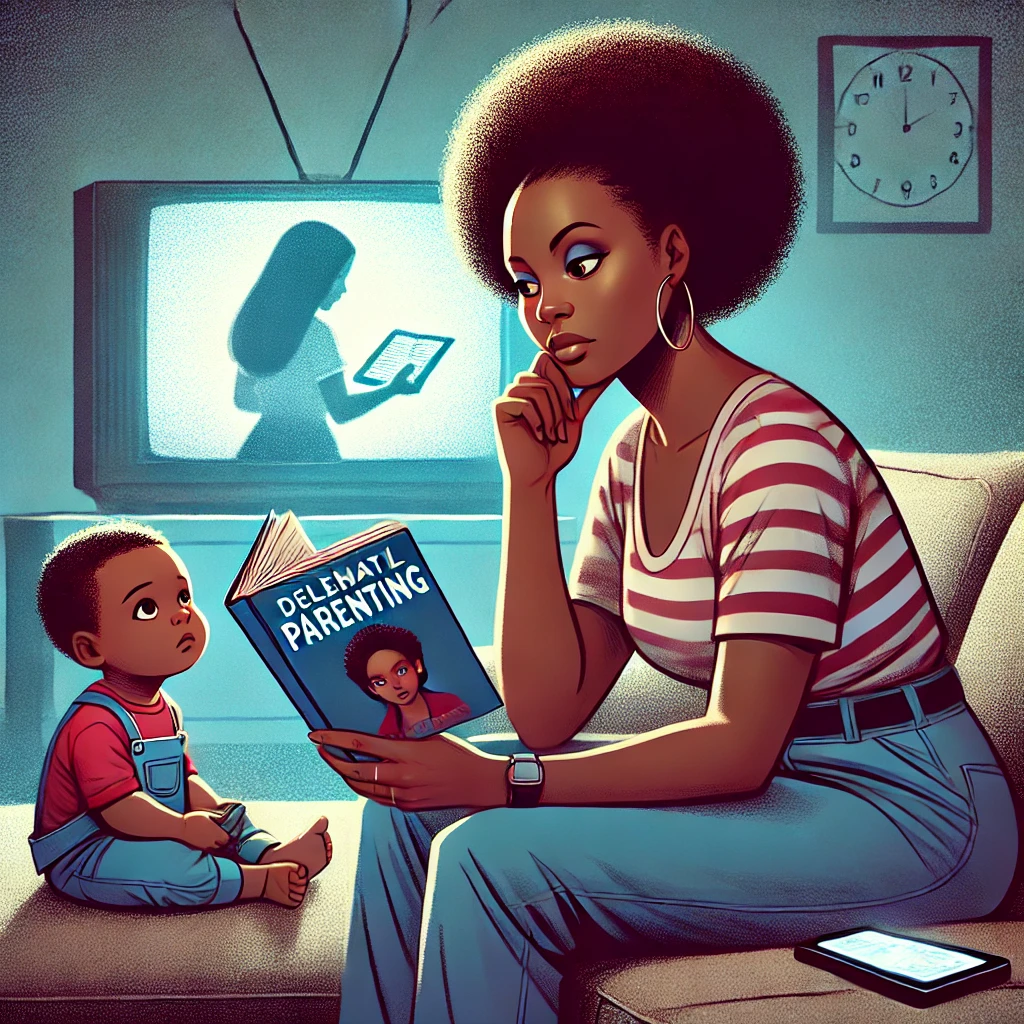
For many of us, education begins almost as soon as we can speak. We spend the earliest and most formative years of our lives in school — learning, unlearning, and preparing for the future.
If we dedicate decades to formal education, shouldn’t that signal something profound to us as parents? That learning must never stop — especially when it comes to raising our children.
Parenting, unfortunately, has suffered in recent times. We see the evidence in the lifestyle choices many young adults adopt today — choices shaped by environments where guidance was inconsistent, supervision was minimal, and emotional presence was absent.
Recently, a disturbing story circulated on social media about an eleven-year-old boy who lost his life during an alcohol drinking competition. While society may debate responsibility, one uncomfortable truth remains: parenting cannot be outsourced.
How busy have we become that society is now raising our children?
How career-driven are we that presence has been replaced with provision?
What price can truly be placed on the development of a well-grounded child?
In many homes, paying school fees has quietly become the benchmark of good parenting. Some parents believe that once tuition is paid, schools should handle character formation, discipline, and emotional development. But education institutions were never designed to replace parental guidance — only to complement it.
The COVID-19 lockdown exposed many uncomfortable realities.
When families were forced to stay home together, we saw anger rise quickly. We saw shouting replace communication. We saw blame shift between spouses. We saw screens become substitutes for supervision. Television entertained. Social media distracted. And emotional connection suffered.
If any area of life gets neglected, it should never be the lives of our children. Yet too often, that is exactly what happens.
Our society is already fraught with enough challenges — social pressures, digital exposure, identity confusion, and emotional instability. When parental intentionality is missing, children are left to build identity on fragile foundations.
Parenting must be deliberate.
It must be thoughtful.
It must be continuous.
It must be educated.
This is what parenting by choice is all about — not parenting by accident, not parenting by assumption, but parenting with intention.
What goals are you setting for yourself as a parent?
What goals are you setting for your children?
How can we expect strong outcomes from weak foundations?
The next series will focus on the emotional well-being of our children and how to raise well-balanced kids in this emerging world — children who are emotionally secure, socially aware, and mentally resilient.
Will you join me on this journey?
I promise it will be worth your time.
To be continued…