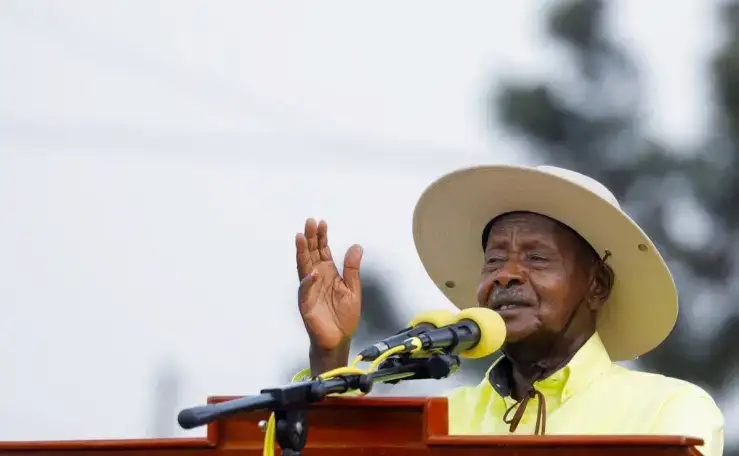
When Yoweri Museveni assumed leadership in 1986, Uganda was emerging from a turbulent chapter marked by instability, military rivalries, and deep national uncertainty. His arrival signaled not just a change of government but the beginning of a new political era that would ultimately define generations of Ugandans.
For many citizens today, Museveni is not simply a president but a fixture of national life—an individual whose leadership spans nearly four decades, surpassing the lifespan of a significant portion of the population. His long tenure has reshaped Uganda’s political structures, regional alliances, and even its image on the global stage.
In the early years, Museveni was celebrated by both Ugandan citizens and international partners for prioritizing economic reforms, reducing poverty levels, and confronting the HIV/AIDS crisis with a level of openness unusual for the time. His leadership style blended ideological conviction with a tactical understanding of power—a combination influenced by his intellectual and political formation in Dar es Salaam, a hub of anti-colonial thought during the 1960s.
Over time, the National Resistance Movement (NRM) evolved beyond a ruling party into a political ecosystem. State institutions and party interests became deeply intertwined, making true electoral competition difficult and solidifying Museveni’s authority. Where critics see control and constraint, supporters argue continuity and stability—especially in a region where conflict remains close by.
Regional diplomacy has also featured heavily in his political identity. From Somalia to South Sudan, Uganda has projected itself as a security actor, peace broker, and host for refugees—moves that earned Museveni strategic goodwill from foreign donors and neighboring states. Yet these engagements also generated controversy, particularly around questions of military conduct and regional influence.
Culturally, Museveni’s public persona merges military memory with pastoral nostalgia. He often references the bush war years that ushered him into office, and speaks passionately about cattle, agriculture, and the slow patience required to develop a nation. His current campaign slogan, “Protecting the gains,” suggests a leader positioning himself as custodian of progress rather than candidate for change.
Even as critics question reforms, human rights, and inclusivity in Uganda’s political space, Museveni remains one of the continent’s most enduring figures—outlasted only by a handful of leaders globally. What began as a revolutionary experiment has matured into a political dynasty, raising ongoing questions about succession, governance, and the shape of Uganda’s future.
How history will ultimately judge Museveni’s era remains a matter for time—and for the generations who grew up knowing no other national leader.