freepik image
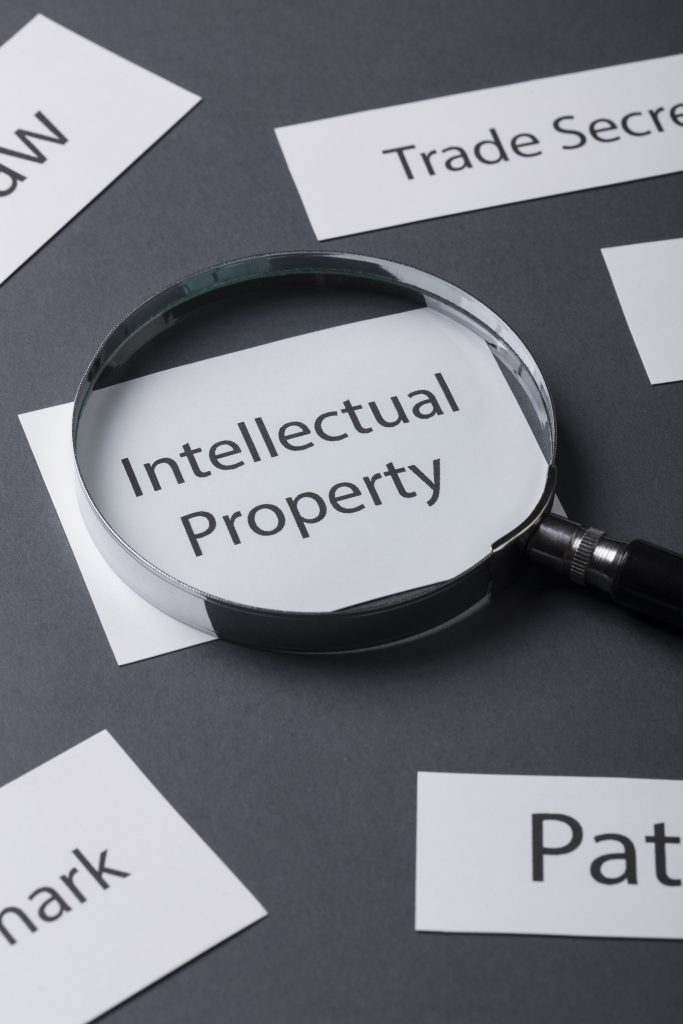
Intellectual property (IP) refers to creations of the mind—literary works, inventions, designs, and symbols used in commerce (World Intellectual Property Organization, 2018). In the 21st century, the global economy is knowledge-based, relying on ideas and innovation rather than land and natural resources (Adebambo, 2018). Technological advancement and the internet have made the world a global village, but they have also increased unauthorized copying and counterfeiting, causing creators and the nation to lose revenue (Itanyi, 2016).
While developed countries have strong laws to protect creativity, Nigeria struggles with low public awareness, weak enforcement, and inadequate penalties (Banwo & Ighodalo, 2018). Yet the country has enormous creative potential, from Nollywood to the music and fashion industries (NBS, 2014). This article explores the value of IP in Nigeria, its challenges, and why protecting creativity is vital for economic growth.
Intellectual property includes copyrights, patents, and trademarks, as well as trade secrets, moral rights, and related rights (WIPO, 2018). IP rights give creators exclusive control over the use of their work for a limited period, providing economic incentives to innovate (Mrad, 2017).
Unlike traditional property such as land, intellectual property is intangible and can be “consumed” by many without depletion, making it difficult to protect without effective legal enforcement (Ola, 2015).
A Brief History of IP
The concept of IP dates back to 500 BC in Greece, where citizens could patent new luxuries (Klinck LLC, 2018). Early copyright principles also appeared in 6th century Ireland, when King Diarmund ruled that copied works should respect the creator’s rights (Ola, 2015).
Modern IP frameworks evolved through the Statute of Monopolies (1623) and the Statute of Anne (1710), and internationally through the Paris and Berne Conventions (WIPO, 2018). These developments laid the foundation for today’s global IP protection.
Globalization and Its Impact
Globalization—the integration of people, companies, and governments worldwide—has accelerated through advances in transportation and communication (Horowitz, 2003). It has expanded trade, ideas, and culture, but it also exposes developing countries like Nigeria to new challenges, including pressure to adopt stricter IP laws (UNCTAD, 2017).
The TRIPS Agreement under the WTO in 1995 required countries to implement minimum standards of IP protection (WTO, 2018). While this encouraged foreign investment, critics argue it sometimes favors developed countries and can limit technology transfer to developing nations (Itanyi, 2016).
Intellectual Property in Nigeria
Nigeria’s economy is heavily oil-driven, with limited diversification into creative industries (Adebambo, 2018). Low public awareness, weak enforcement, and corruption continue to hinder IP development (Adetola, 2016). Piracy and counterfeiting, especially in books, software, and Nollywood films, cost creators billions annually (NBS, 2014). For example, for every legitimate copy of a Nigerian film sold, nine others are pirated, with Nollywood losing an estimated N82 billion in 2014 (Nigerian Export-Import Bank, 2014).
Despite regulatory agencies such as the Nigerian Copyright Commission and Consumer Protection Council, enforcement remains weak, limiting investment, job creation, and the growth of the creative economy (Adetola, 2016).
Strong IP laws encourage research, innovation, and creativity (Mrad, 2017). When innovators are protected, they are motivated to create new technologies, medicines, and artistic works (Itanyi, 2016). The TRIPS Agreement has helped align Nigerian laws with international standards, attracting foreign investment and creating employment opportunities (Itanyi, 2016).
In the creative sector, proper IP enforcement ensures that artists, writers, and filmmakers can earn from their work while preserving cultural heritage and national pride (Ola, 2015). As Adebambo (2018) notes, creativity and innovation are the invisible infrastructure of the 21st-century economy.
Challenges Ahead
Nigeria faces several challenges:
-
Low public awareness about IP rights (Banwo & Ighodalo, 2018)
-
Inefficient administrative systems for registration (Adetola, 2016)
-
Weak enforcement and inadequate penalties (Itanyi, 2016)
-
Piracy and counterfeiting in key industries like music, film, and software (NBS, 2014)
These challenges limit Nigeria’s ability to harness the economic potential of its creative sector. Strengthening IP protection is essential not only for economic growth but also for preserving cultural heritage and encouraging innovation (Ola, 2015).
Recommendations
-
Develop a robust national IP policy to guide legislation and enforcement (Banwo & Ighodalo, 2018).
-
Raise public awareness about IP among creators and the general population (WIPO, 2018).
-
Engage government and legislators to strengthen IP laws and enforcement (Vanguard, 2016).
-
Integrate IP education in schools and universities to cultivate respect for creativity (Banwo & Ighodalo, 2018).
-
Support local creators with accessible registration, enforcement, and incentives for innovation (Adetola, 2016).
Conclusion
Nigeria has rich creative and intellectual potential, from pre-colonial artistry to Nollywood, music, and technology. But without strong IP laws, enforcement, and public awareness, the country risks losing economic opportunities and cultural heritage. Protecting intellectual property is not just a legal issue—it is a strategic imperative for Nigeria’s economic growth and global competitiveness (Itanyi, 2016; Adebambo, 2018).