
Recycling, Innovation, and Survival
From European castoffs to Africa’s marketplace lifeline, the secondhand trade has grown into one of the continent’s most dynamic industries. Dr. Adeshina Lukeman explains its economic weight, the pressures of global imports, and the future of reuse in Nigeria’s challenging economy.
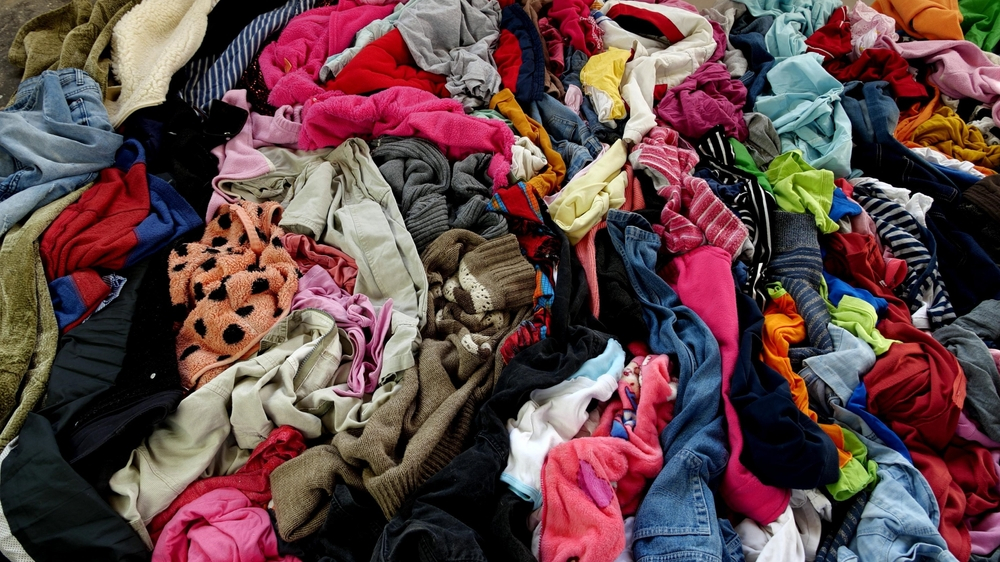
Q: How has the trade in secondhand goods evolved in Africa over the past century, and what major historical events influenced its growth?
Trade in secondhand goods started in Europe between the Middle Ages and the beginning of the Renaissance in the 14th century, at a time when few people could afford new clothes due to excessive prices. That is to say, the roots of the trade in secondhand goods—particularly clothing—can be traced back to mid-14th century Europe, where it emerged as a vital alternative for ordinary consumers to meet their clothing needs amidst severe economic downturn, rapid population growth, social unrest, and widespread famine.
The evolution of the trade in Africa was due to the fact that in the middle of the 19th century and the beginning of the 20th century, with the arrival of ready-to-wear clothes and their standardized sizes, secondhand clothing was losing its appeal and progressively became an export product to African countries.
The growth in the trade in secondhand goods, especially clothes, in Africa is due to the urge to become modern with Western modernity, which the African colonizers and their Eurocentric settings represent. More importantly, African economic problems are major events that influenced the growth of secondhand goods. For example, the trade gained momentum in Nigeria during the years 1978 to 1985 due to a downturn in the country’s economy, primarily attributed to a sharp decline in oil prices. This had a detrimental impact on living standards and the overall national economy.
Between 1979 and 1983, poverty levels surged significantly, with people living below the poverty line increasing from approximately 30 percent to about 40 percent. This trend worsened in subsequent years. Therefore, the desire to consume and enjoy a variety of goods and services within people’s income amid economic challenges was a prime factor behind the establishment and growth of trade in secondhand goods in Africa.
The growth in the trade in secondhand goods, especially clothes, in Africa is due to the urge to become modern with Western modernity, which the African colonizers and their Eurocentric settings represent. More importantly, African economic problems are major events that influenced the growth of secondhand goods. For example, the trade gained momentum in Nigeria during the years 1978 to 1985 due to a downturn in the country’s economy, primarily attributed to a sharp decline in oil prices. This had a detrimental impact on living standards and the overall national economy.
Between 1979 and 1983, poverty levels surged significantly, with people living below the poverty line increasing from approximately 30 percent to about 40 percent. This trend worsened in subsequent years. Therefore, the desire to consume and enjoy a variety of goods and services within people’s income amid economic challenges was a prime factor behind the establishment and growth of trade in secondhand goods in Africa.
“Economic hardship turned secondhand goods into a lifeline for millions of Africans.”
Q: In what ways does the secondhand goods market contribute to local economies, particularly in terms of employment, entrepreneurship, and consumer affordability?
Trade in secondhand goods has contributed significantly to local economies. For example, it provides employment and a means of livelihood for thousands of people in our society. Apart from the traders, the trade provides income for skilled and unskilled labour, coupled with other economic activities that cropped up in and around the traders’ markets. The trade also generates revenue for the government through payment of taxes by the traders.
In terms of entrepreneurship, trade in discarded or condemned goods such as irons, plastics, coppers, and vehicle bodies has helped foster entrepreneurship and innovation in recycling. It has been a major source of raw materials for many recycling industries in Nigeria. For example, local pot makers in some parts of Nigeria patronize traders to purchase aluminium, which they use in making different utensils such as local pots called koko-irin in Yoruba and spoons, after it has been melted. They also use aluminium to produce fittings which welders use to decorate steel outputs such as gates, frames, and doors.
Apart from the above, the trade in secondhand goods—especially discarded or condemned items—serves as a source of raw materials for recycling industries in parts of Nigeria. For example, Kam Steel Integrated Limited, Ilorin gets iron from traders in discarded items, which it recycles to produce steel products. There are also Iddo and K Plastics in Lagos and Ilorin respectively, which specialize in the collection, processing, and recycling of plastic wastes.
Trade in secondhand goods has also uplifted the status of lower-income earners by affording them the opportunity to purchase and enjoy desired goods within their income, albeit not new ones.
“Secondhand markets fuel entrepreneurship, recycling, and low-income affordability.”
Q: How has international trade, such as the importation of secondhand clothes from Europe or the US, affected local markets and industries?
International trade, such as the importation of secondhand clothes from Europe, has negatively affected local markets and local clothing industries, especially in Nigeria. For example, the entry of secondhand clothes has created unfair competition, and it is due to this unfairness that governments of various African countries have called for a ban on secondhand clothes to protect local clothing industries.
Also, the proliferation of secondhand clothes in the markets has affected local clothes sales significantly. Most of the secondhand clothes were smuggled into Nigeria and therefore did not pay tax; eventually, their vendors could sell their items more affordably, unlike clothes shop owners who needed to consider tax in their pricing.
Thus, importation and trade in secondhand clothes is destructive to local livelihoods. For example, industry organizations and individual businesses in Nigeria frequently alleged that textile employment fell by more than half between 1966 and 2003.
Pull Quote:
“Smuggled secondhand clothes undercut local industries and cripple textile jobs.”
Q: What role has government policy played in regulating or promoting the secondhand goods market, and what lessons can we learn from past successes or failures?
Trade in secondhand goods has become a significant economic activity in Nigeria, with thousands of individuals and businesses involved. However, to ensure that the trade is conducted in a fair, safe, and environmentally friendly manner, the government has established various regulations that must be complied with.
All traders in Nigeria must abide by the provisions of the Sales of Goods Act. The Act is a federal law that regulates the sale of goods and provides a legal framework for commercial transactions in Nigeria. Traders must register with appropriate ministries or agencies and pay a registration fee. The government, through laws, also provides penalties for unregistered traders and those who violate the provisions of these laws.
The nature of the trade also subjects it to environmental regulations within the purview of Federal and State Ministries of Environment. Examples include Environmental Health Practice Regulations, National Environmental Policy Guidelines, and the Kwara State Environmental Sanitation Law. Compliance with these laws requires traders to register with relevant institutions such as the Kwara State Ministry of Environment.
Some traders must also abide by anti–money laundering rules, especially imported (tokunbo) car and spare parts dealers. They must register with the Special Control Unit against Money Laundering (SCUML), a division of the EFCC. Traders are not allowed to import contraband such as vehicles older than twelve years of manufacture and must pay import duty. Imported clothes (okrika) are contraband in Nigeria, which the Nigeria Customs is responsible for enforcing.
Q: Considering current economic and environmental concerns, how do you see the trade in secondhand goods evolving in the next decade, especially regarding sustainability and local manufacturing?
The trade in secondhand goods will continue to flourish in the next decade in Nigeria because the “Renewed Hope Agenda” of President Bola Ahmed Tinubu, where he totally removed fuel subsidy in 2023, was a milestone in Nigeria’s economic journey. The spike in petrol costs after subsidy removal and stagnation in wages—resulting in weakened purchasing power and 32.7 percent inflation—has led to an increased demand for secondhand goods such as clothes, cars, electronics, furniture, and household items.
This is more so because Nigeria’s economy, which has faced significant challenges since the 1980s, has not been addressed.
Recycling industries rely on traders of condemned or discarded items such as aluminum, iron, and plastics as raw materials. Local manufacturers also depend on discarded items for their output, such as local pots and other utensils.
“With rising inflation and shrinking income, secondhand goods will only grow stronger.”
Q: How do cultural attitudes toward secondhand goods shape the trade, and have these perceptions changed over time?
Initially, the African culture of seeing someone selling his/her property as unfortunate affected the traders because many prospective used-goods sellers were discouraged from selling their items for fear of being seen as unfortunate.
Similarly, the attitude of looking down on buyers of secondhand goods and seeing them as second-class citizens was another factor affecting trade.
Additionally, Africa’s culture of giving unwanted items—such as clothes and other usable goods—to family and friends also affected the trade because it denied traders access to needed articles of trade.
However, 21st-century economic realities and a growing global secondhand economy have positively shaped the trade in Africa, especially in Nigeria.
“Cultural stigma once slowed the trade—but today, economic reality drives acceptance.”