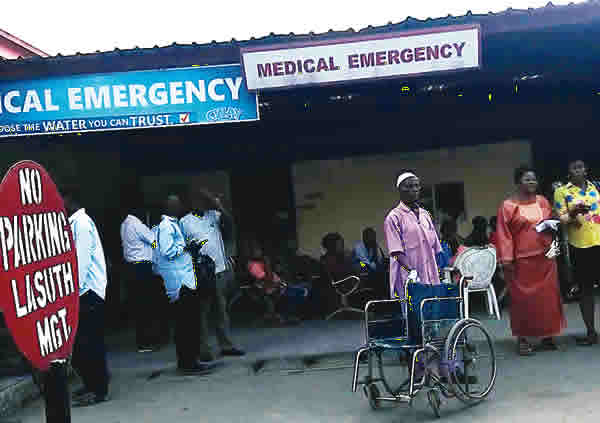
Image: Punch Newspaper, www.punchng.com
Security and welfare of the people is the primary purpose of any government. Successive regimes in Nigeria have struggled to adequately guarantee citizen security, with poor policy implementation contributing to worsening insecurity. Ilorin and its environs, like most Nigerian communities, face dynamic security challenges such as poverty, environmental hazards, communicable diseases, and inadequate healthcare services. Low-income earners and middle-class residents are most affected, making them vulnerable to insufficient access to medical care.
Before the introduction of Western medicine, communities relied heavily on African traditional medicine, which still plays a key role in primary health care today. With the introduction of orthodox medicine, the two systems now coexist, sometimes competing, sometimes complementing each other.
Historically, security was defined mainly as the protection of the state from external threats. However, the UNDP Human Development Report (1993) emphasized a broader definition: security must focus on people, not just borders. It should encompass human rights, good governance, access to education, and health care, ensuring everyone has opportunities to fulfill their potential. True security is therefore not just the absence of conflict, but the presence of conditions that support life, dignity, and development.
As Ban Ki-moon highlighted, “True security is based on people’s welfare—on a thriving economy, strong public health, and education programs.”
Human security includes economic, food, health, environmental, personal, community, and political security. This article focuses primarily on health security.
Health Challenges in Nigeria
Nigeria faces numerous health challenges, including:
-
Strike actions by healthcare workers disrupting hospital services (Premium Times Nigeria)
-
High maternal and infant mortality rates (The Guardian; ThisDayLive)
-
Poor healthcare worker attitudes and inadequately trained personnel (Premium Times Nigeria)
-
Limited access to hospitals and clinics for low-income residents (ThisDayLive)
Health security is also threatened by the prevalence of infectious diseases like malaria, tuberculosis, polio, and HIV/AIDS, which have significant social and economic impacts (ThisDayLive).
Maternal, Infant, and Geriatric Challenges
Nigeria’s maternal mortality ratio is extremely high, with 1 in 5 children not reaching the age of five (ThisDayLive). Elderly populations are vulnerable due to poor access to healthcare, high costs, and minimal geriatric services (AllAfrica). Urban retirees face abrupt income declines, while rural elders continue to work under physically demanding conditions with minimal support.Sanitation and Environmental Health Risks
In Ilorin, poor sanitation and open defecation contribute to recurring disease outbreaks. Waste disposal systems are overstressed, and plastic bottles used in local drinks like kunu and zobo often come from unregulated sources, exposing residents to cholera and other hygiene-related illnesses (RCDIJ; The InfoStride; Leadership).
Healthcare System Bottlenecks
Government hospitals are poorly equipped and under-staffed, while private hospitals remain out of reach for many residents. Patients in state-owned hospitals often have to supply basic items such as petrol for generators and disinfectants during childbirth (Independent Nigeria). Poor hospital conditions include lack of toilets, inadequate water supply, and long wait times. Worker strikes exacerbate these challenges, leaving critically ill patients at risk of death
African traditional medicine (herbal and spiritual healing) remains a critical component of primary health care. Herbal remedies are often cheaper, more accessible, and culturally trusted, serving as a first line of treatment before patients turn to formal health systems (WHO Traditional Medicine Strategy, 2010).
Conclusion
Access to healthcare, availability of safe water, high maternal and infant mortality, unskilled health professionals, and poor geriatric management are major health security issues in Ilorin and Nigeria at large. Poverty, lack of social welfare, and underfunded infrastructure worsen these problems. Immediate government intervention is needed through:
-
Improved legislation
-
Affordable and accessible healthcare
-
Sanitation and hygiene initiatives
-
Integration of traditional medicine into mainstream care
Without urgent action, human security in Nigeria will continue to be compromised, affecting generations to come.