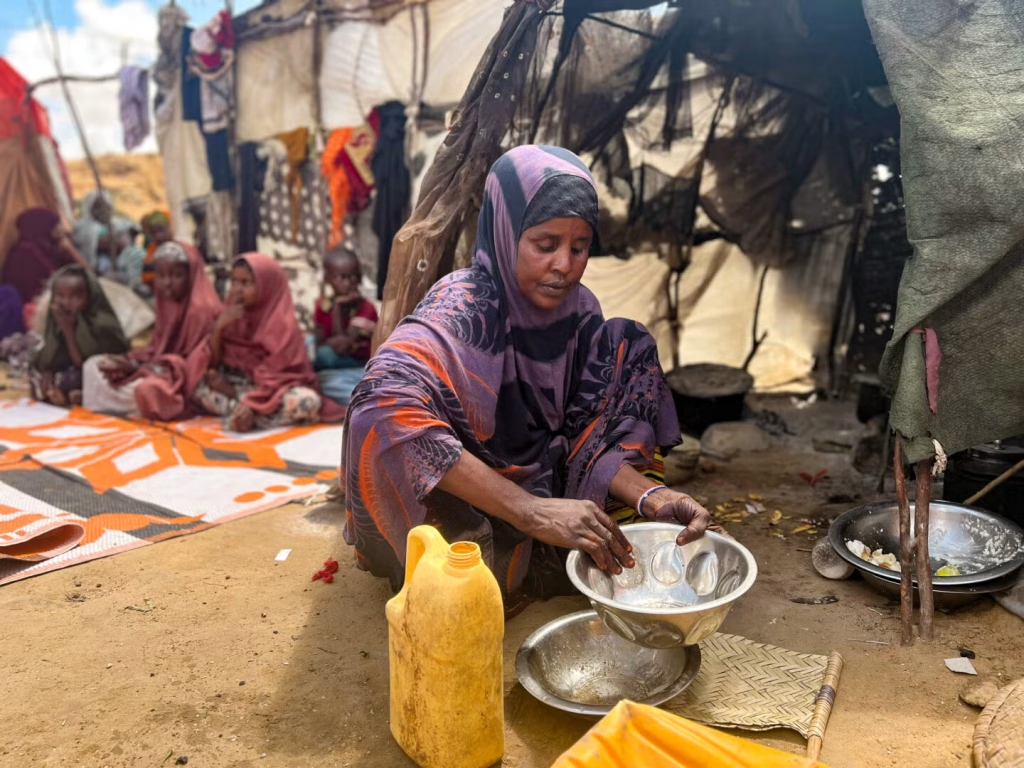
https://www.care.org/media-and-press/photographer Khadar.”
Somalia faces a ticking humanitarian time bomb. The UN’s World Food Programme (WFP) warns that without urgent funding, its emergency food aid could stop by April, leaving millions starving.
This isn’t just a distant crisis. When food aid collapses, it sparks ripple effects—families lose livelihoods, markets destabilize, and regional security hangs in the balance. Millions of lives are at stake.
Quick Facts — At a Glance
-
Who: 4.4 million Somalis facing severe food insecurity
-
What: WFP emergency food aid threatened by funding shortfalls
-
Where: Somalia, primarily conflict-affected and drought-hit regions
-
Why: Funding cuts, theft, and logistical challenges
-
Impact: Millions of women, children, and vulnerable communities risk starvation
Funding gaps are forcing the WFP to drastically cut aid. From 2.2 million recipients in early 2025, only about 600,000 now receive support. U.S. aid was temporarily suspended after theft and interference incidents, though it resumed in late January. Without new funding, WFP warns of a complete halt by April
When millions lose access to basic food, the fallout is immediate. Families go hungry, children face malnutrition, and health crises accelerate. Local markets strain, migration pressures rise, and social stability wavers. Hunger isn’t just a health issue—it’s an economic and political threat.
Aid levels remain fragile. Relief agencies must prioritize the most vulnerable, meaning some communities will receive nothing. Short-term emergency interventions may replace sustainable programs, leaving long-term recovery at risk.
Somalia’s crisis isn’t just drought or conflict—it’s a systemic funding challenge. Global aid reductions, logistical theft, and political interference undermine response efforts. Without consistent support, even well-planned programs collapse.
Hunger slows economic recovery. Farmers can’t sell crops, markets shrink, and families spend scarce cash on basic survival. Socially, women and children bear the brunt, with school attendance and health outcomes plummeting.
The clock is ticking. WFP must secure emergency funding fast. Governments, donors, and NGOs face pressure to step in. For Somalia, every week counts; delays mean lives lost and deeper poverty.
Somalia has suffered repeated droughts and ongoing conflict, leaving millions dependent on international aid. WFP has been the lifeline, but funding volatility now threatens its operations.
Hunger in Somalia isn’t a distant headline—it’s a warning signal for Africa and the global community. How the world responds in the next few weeks will define whether millions survive or slide further into crisis.