As Nigeria prepares to mark the second anniversary of President Bola Ahmed Tinubu’s administration, an urgent education crisis in the Federal Capital Territory (FCT) has brought attention to the challenges of decentralized governance and public sector accountability. FCT Minister Barrister Ezenwo Nyesom Wike has summoned all Area Council Chairmen in Abuja following an indefinite strike by primary school teachers over unpaid entitlements and the non-implementation of a new national minimum wage.
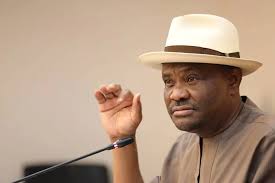
Speaking during an inspection tour of major road infrastructure projects earmarked for commissioning in May 2025, Wike condemned the failure of local councils to fulfill their primary education responsibilities. Despite federal approvals and disbursed funds, many councils have not paid teachers, raising questions about fiscal management and prioritization at the grassroots level.
“It’s unfortunate,” Wike said, “After I approved the release of funds to pay teachers, the Area Council Chairmen failed to comply. These are the educators shaping the future of our children. There is no excuse for such negligence.”
The situation underscores a recurring challenge in African urban governance — the disconnect between federal intentions and local implementation. In this case, the implications are immediate and far-reaching: tens of thousands of children left without access to education and teachers struggling to survive amidst economic hardship.
Wike’s strong rebuke is coupled with an appeal for patience to the Nigerian Union of Teachers (NUT), emphasizing that corrective measures are underway. “I’ve summoned the council leaders and asked the teachers to give us a little more time,” he said. “We will resolve this.”
This crisis unfolds as Abuja sees renewed momentum in infrastructure development under the Renewed Hope Agenda — President Tinubu’s policy blueprint that prioritizes public sector efficiency and social investment. Projects like the Wole Soyinka Way Interchange and the Arterial Road N5 development were inspected during the Minister’s tour. These, Wike noted, are on track and reflect a wider national vision of progress.
“The contractors are doing well, and the government is meeting its financial obligations,” he affirmed, revealing that the National Assembly recently approved a ₦10 billion virement to fund road projects. “We are confident these funds will be used responsibly.”
While the infrastructural achievements reflect administrative progress, the education sector crisis casts a shadow on the anniversary celebrations. For international observers, the unfolding events offer a case study in the balance between development and governance — a reminder that roads and bridges, though critical, cannot replace the foundational role of education in national development.
The FCT’s current dilemma speaks to broader themes in postcolonial African administration: navigating the complexities of federal structures, decentralization, and equitable service delivery. As Nigeria reflects on two years of President Tinubu’s leadership, the country stands at a crossroads — between celebrated urban transformation and the urgent call for social justice in education.