Growing Tensions Between Northerners and Southerners
The implementation of the Northernization Policy had immediate and profound social repercussions in Kaduna, the Northern administrative capital. The systematic dismissal of Southern civil servants, who had historically dominated key sectors of the public service, created widespread resentment. Southern communities perceived the policy as discriminatory, generating a sense of victimization and marginalization. Consequences included:
-
Heightened resentment: Southern communities increasingly viewed Kaduna as a hostile environment. Families of dismissed professionals experienced economic and social insecurity.
-
Intensified stereotypes: Northerners were increasingly portrayed by Southerners as opportunistic or politically manipulative, while Southerners were viewed by Northerners as culturally arrogant or unwilling to respect Northern traditions.
-
Socio-ideological friction: Kaduna emerged as a battleground of competing ideologies, where questions of meritocracy, regional identity, and cultural supremacy clashed in everyday interactions.
-
Professional alienation: Southern civil servants felt directly targeted by government policies, creating a brain drain and weakening cross-cultural networks in the civil service.
-
Elite anxieties: Northern elites feared Southern domination would continue if unchecked, intensifying regional solidarity and protective measures.
This combination of economic displacement, cultural stereotyping, and political realignment placed enormous strain on Kaduna’s pluralistic social fabric.
Ethnocentrism and Mutual Distrust
Beyond professional and economic tensions, the Northernization Policy exacerbated deep-seated ethnocentric attitudes, fostering an environment of mutual suspicion:
-
Southern perceptions: Many Southerners regarded Northerners as insufficiently educated or resistant to modern governance, questioning their ability to manage the state bureaucracy effectively.
-
Northern perceptions: Conversely, Northerners increasingly viewed Southerners as culturally invasive and politically domineering, accusing them of undermining local customs and social cohesion.
-
Middle Belt marginalization: Ethnic minorities in the Middle Belt felt squeezed between dominant Hausa-Fulani Northern elites and incoming Southern influence, further fragmenting Kaduna’s social landscape.
-
Formation of identity-based alliances: Ethnic groups increasingly retreated into exclusive networks, fostering distrust and limiting collaboration across cultural lines.
These attitudes undermined Kaduna’s earlier cosmopolitan character and reinforced segregationist patterns within neighborhoods, schools, and workplaces.
Political Manipulation and “Divide and Rule”
Politicians, both local and national, exploited these emerging tensions to consolidate power, turning Kaduna into a politically charged environment:
-
Ethnic fear as a political tool: The Northern People’s Congress (NPC) framed Southern professionals as existential threats to Northern cultural and economic survival, appealing to fear and regional loyalty.
-
Opposition strategies: Southern-aligned opposition parties positioned themselves as defenders of civil service fairness, exacerbating regional polarization.
-
Legacy of colonial governance: The British colonial “divide and rule” framework, which had previously structured regional administration to maintain control, persisted under new political actors.
-
Polarization intensifies: Ethnic identity became intertwined with political loyalty, making inter-group compromise increasingly difficult.
Kaduna’s political landscape became highly fragmented, and ethnicity replaced ideology as the primary lens through which policy and power were interpreted.
The 1966 Coup and the Collapse of the First Republic
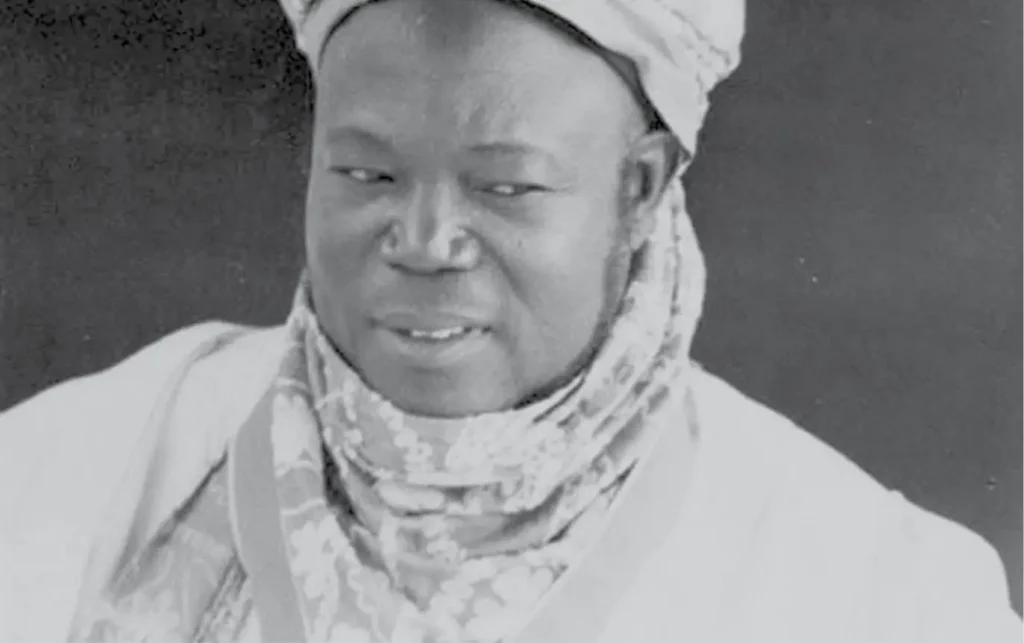
The tensions cultivated under the Northernization Policy directly contributed to the dramatic events of 1966. Kaduna was the flashpoint for Major Chukwuma Kaduna Nzeogwu’s coup, marking the beginning of the end for the First Republic:
-
Assassination of the Sardauna: The targeted killing of Northern Premier Ahmadu Bello, the Sardauna of Sokoto, sent shockwaves across the North and intensified regional bitterness.
-
Mass reprisals: Ethnic violence erupted as communities sought revenge, leading to cycles of suspicion, displacement, and reprisal killings.
-
Breakdown of trust: Inter-group cooperation, already fragile, collapsed entirely, eroding the civic and political foundations necessary for a stable democracy.
-
Prelude to civil war: Kaduna’s polarized climate became a microcosm of national instability, setting the stage for the Nigerian Civil War in 1967.
The Northernization Policy, though conceived as a mechanism for regional empowerment and economic balancing, inadvertently catalyzed social fragmentation and national instability.
Conclusion / Series Wrap-Up
Between 1958 and 1966, the Northernization Policy reshaped Kaduna in profound ways. While it accelerated Northern development and created new opportunities for regional elites, it also deepened ethnic divides, fostered distrust, and polarized political structures. Kaduna transformed from a diverse administrative hub into a city defined by ideological and cultural fault lines, the echoes of which reverberate in Nigeria’s political and social landscape even today. The policy illustrates the complex interplay between development, ethnicity, and governance in post-colonial African states.